
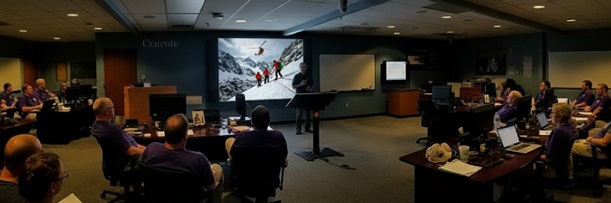
As a Public Information Officer with a search and rescue team, I spend a fair amount of time speaking to community groups about what we do and how we work alongside our served agencies. My job is to be the friendly face of our team and help the community understand our mission and capabilities and that means a lot of presentations. Most of these talks are smooth sailing, until they aren’t.
There are many misconceptions we have to clear up. We don’t charge for recue. It’s always free. We can’t take you to the grocery store when the weather is bad. That’s not a legitimate life safety emergency. We won’t arrest you for having a lapse in judgment and walking off a cliff. People make mistakes. The sheriff wants us a to solve a problem and that’s what we do.
I was recently presenting to a group of elderly amateur radio operators. At one point, I referred to our law enforcement partners as “cops”. The next thing I knew, one gentleman’s eyebrows shot up so high, I thought they might file a flight plan. He was deeply offended, convinced I had just disrespected the badge. Suddenly, my talk on search and rescue protocols turned into an impromptu history and language lesson.
The Old-Timers: “Copper”, “Flat Foot” and “Gum Shoe”
Let’s start with what is disrespectful.
- Copper – While some people now consider this an old-fashioned synonym for “cop”, its origin is a bit different. The term “copper” originally came from the verb “to cop”, which meant “to catch” or “to seize”. An officer was a “copper” because that was what they did — they caught criminals. However, like many slang terms, its meaning and tone could vary widely, depending on the speaker’s intent.
- Flatfoot – This one is pretty straightforward. Early law enforcement officers, particularly in the big cities, were known for walking long, repetitive beats for hours on end. This kind of work, especially with poor footwear, often led to physical ailments like flat feet. The term became a slightly mocking, physical descriptor for police officers, highlighting their long hours and tedious work.
- Gumshoe – This term is specifically for detectives and private investigators. Back in the day, these sleuths often wore soft-soled rubber shoes, “gumshoes”, to move quietly and listen in on conversations without being detected. It was a nickname that captured their stealthy, methodical nature, but it often carried a certain cynicism, portraying them as shady or sneaky.
These terms are relics from the days of speakeasies, trench coats and black-and-white crime dramas. They’re fun to read about, but not great choices in polite conversation.
So, What About “Cop”?
Here’s where things get interesting and less controversial.
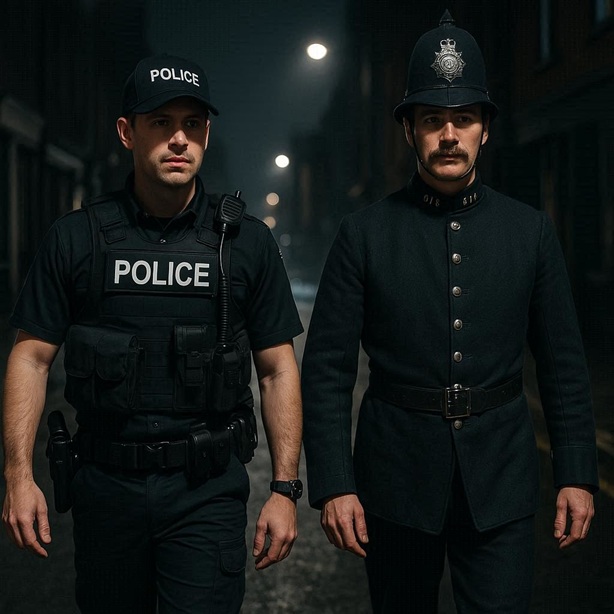
The term cop is not inherently disrespectful. In fact, its most accepted origin is as an acronym from British policing history: Constable on Patrol. Our American legal and policing systems are heavily influenced by the British model, so the term actually tips the hat to our shared historical roots and professional honor of the job. While slang can sometimes shift meaning, “cop” in modern usage is widely considered a neutral, even affectionate, shorthand for “police officer”.
That said, context matters. A smile and a tone of respect go a long way toward making sure the word is taken as intended.
The Takeaway
When we talk about law enforcement, whether in a briefing, a presentation or a casual conversation, it’s worth remembering that words carry history. Some names have baggage. Others have heritage.
- Avoid outdated nicknames like “copper” or “flatfoot” unless you’re telling a story about 1920s Chicago.
- Recognize that “cop” is rooted in professional history, not insult.
- Above all, remember that these are people doing a critical, often dangerous job, and they deserve our respect in both word and deed.
Language evolves, but respect never goes out of style. The “cop” comes from a place of respect and homage to the historical roots of our law enforcement system. By showing respect through our language, we can build stronger relationships with law enforcement and the communities they serve.
A lot of my friends are cops. Two cast off their sidearms and body armor on a regular basis and volunteer on my team. I am always inspired to stand shoulder to shoulder with them.
Discover more from Tales of Many Things
Subscribe to get the latest posts sent to your email.