
There’s something deeply odd about human beings: we actively seek out fear. No other species on the planet does this. You’ll never see a deer buying tickets to a prance though a predator habitat or a raccoon strapping itself into a roller coaster. But come October, millions of otherwise rational adults collectively lose their minds, paying good money to be chased by chainsaw-wielding actors through corn mazes. Why? Because fear, it turns out, feels fantastic, when it’s safe.
October is a ritual. We decorate our homes with fake spiderwebs, watch movies where people make terrible decisions in dark basements and spend good money to experience what on any other day we would say only insane people would engage in.
Let’s be honest, we’re the only species on Earth that looks at fear and says, “Yes please, I’ll have another. Here’s some cash.”
Squirrels don’t queue up for cliff dives.
Cats don’t organize “haunted litter boxes”.
No dolphin has ever bought a ticket to “Sharknado”.
But humans? We crave fear the way raccoons crave trash — compulsively and with questionable judgment.
The Chemical Rush: A Symphony of Terror and Delight
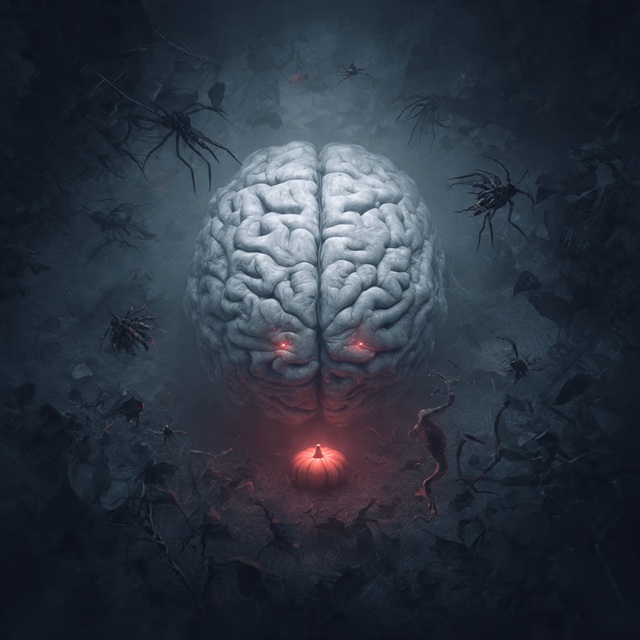
It all starts in your brain. That’s where all bad ideas start. When something scares you — a horror movie, a roller coaster or your boss saying, “Can we talk in my office?” — your amygdala lights up like a Halloween pumpkin. It dumps adrenaline and cortisol into your system, prepping you for fight, flight or a very convincing scream.
Your heart races, your senses sharpen and suddenly you’re more alive than you’ve felt in weeks. Then, once your rational brain realizes you’re actually fine, your body rewards you with a flood of dopamine and endorphins, the same chemicals that make chocolate and victory feel so good.
That’s right, your body literally bribes you for surviving something scary. It’s nature’s way of saying, “Nice job not dying! Here’s a hit of happiness.”
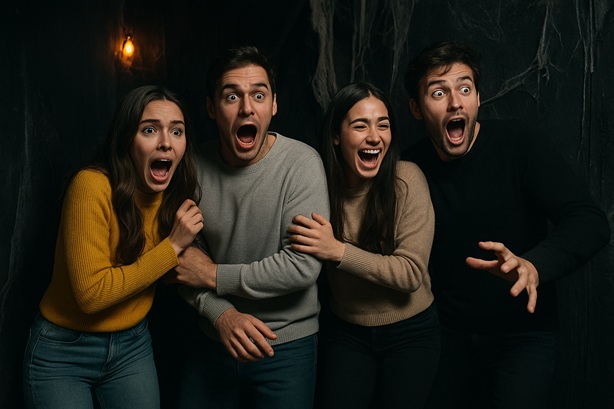
And if you’re screaming with friends, you get an extra dose of oxytocin, the bonding hormone. So, yes, when you and your best friend shriek together in a haunted house, that’s not just fear. That’s science-backed friendship.
The Comfort of a “Safe Scare”
Of course, this only works if you know you’re safe. We love “recreational fear”, where your logical brain is fully aware that the monster on the screen is CGI, even while your emotional brain is whispering, “RUN!”
That’s why we love horror movies and haunted houses. They let us flirt with danger without the actual consequences.
It’s fear with a seatbelt.
Terror with a safety net.
Existential dread, but with snacks.
And when you make it through, when the lights come up or the ride stops, you get a satisfying sense of accomplishment. You didn’t die. You faced fear and lived to tell the tale. And that little hit of pride keeps you coming back for more.
The Psychology of Being Deliciously Terrified
There’s a lot more going on under the surface. Psychologists call this the cathartic effect — fear lets us purge tension and emotion in a socially acceptable way. You can scream, shake and even ugly cry and everyone around you just nods and says, “Good one, huh?” It’s like emotional spring cleaning: out with the pent-up stress, in with the nervous laughter.
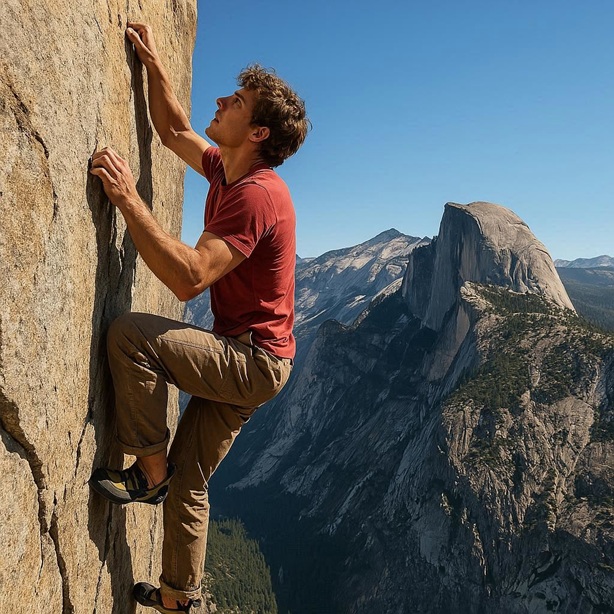
Some people are sensation seekers, hardwired for high-adrenaline experiences. For them, horror movies and cliff dives scratch the same itch. They’ll jump out of planes, free solo climb 2,000-foot cliffs or ride a roller coaster immediately after lunch. (The rest of us are just grateful they film it, so we can watch from the couch.)
Others are driven by morbid curiosity, that peculiar human urge to peek behind the curtain, to see what death or danger look like when they are safely separated from you. It’s why true-crime podcasts and horror movies thrive. And for some, fear is just emotional practice. They learn to regulate their feelings, to find that perfect “thrill zone” where fear becomes excitement.
The Halloween Effect
Halloween takes all of this and puts it on turbo mode, amplifies the instinct. For a few weeks, fear isn’t just tolerated. It’s celebrated. We wear disguises, seek out haunted houses and revel in the collective adrenaline rush. It’s the one time of year when running from a chainsaw in public is socially appropriate behavior.
No other species does this. When a deer gets spooked, it doesn’t gather friends and say, “Let’s do that again next weekend. Who’s got some cash?” But humans? We turn it into a festival, a business and an art form.
Because deep down, being scared — safely, temporarily — reminds us we’re alive. It’s a full-body reminder that our hearts still beat, our senses still spark and that even in a predictable world, there’s still room for mystery and thrill.
Kids dress like monsters, adults chase haunted thrills and even the jumpiest among us get peer-pressured into watching horror flicks. It’s the annual reminder that fear, when served safely, is one of life’s spiciest flavors.

So Why Do We Seek Fear?
Because fear, when safely experienced, reconnects us with something primal and precious, the electric joy of being alive and overcoming what frightens us.
So this Halloween, when you find yourself clutching your popcorn at a jump scare or gripping a friend’s arm in a haunted house, remember, you’re not crazy, you’re human and your amygdala is having the time of its life.

Have a safe and happy Halloween!
Discover more from Tales of Many Things
Subscribe to get the latest posts sent to your email.