
Winter has a talent for trickery. One moment, you’re enjoying crisp air, sparkling snow and a trail that looks like it was ripped straight from a greeting card. The next, the sun has dipped behind a ridge, the wind picks up and suddenly you realize you can’t feel your fingers. Or your nose. Or your toes.
I’ve always said cold is easier to deal with than heat. When it’s cold, I can just keep adding more puff, more fluff and more polyester, until I resemble a well-insulated burrito. When it’s hot, I can only remove so many layers before it becomes immoral and potentially illegal. But here’s the thing, after years in search and rescue, even I have had to admit that cold is very, very hard to face.
Hypothermia isn’t just something that happens on Everest. It can happen in your backyard if you’re wet and the wind is blowing. My coldest mission was a brutal 2°F, before the windchill. A minute outside felt like hours and we were in the field for six hours that night. Bitter cold will find every gap in your defenses. It has one mission: to rob you of your core heat until you’re shivering uncontrollably, disoriented and in serious trouble. And trust me, it is extremely good at its job.
Winter is a different beast. Cold isn’t just uncomfortable. It’s fast and unforgiving. Hypothermia doesn’t arrive with dramatic music or a neon sign. It’s quiet, sneaky and quicker than many people think. As a member of a search and rescue team, I’ve spent more time than I’d like chasing down folks who’ve underestimated Mother Nature. Cold is a relentless predator. It doesn’t care about your bravado. It just wants your warmth.
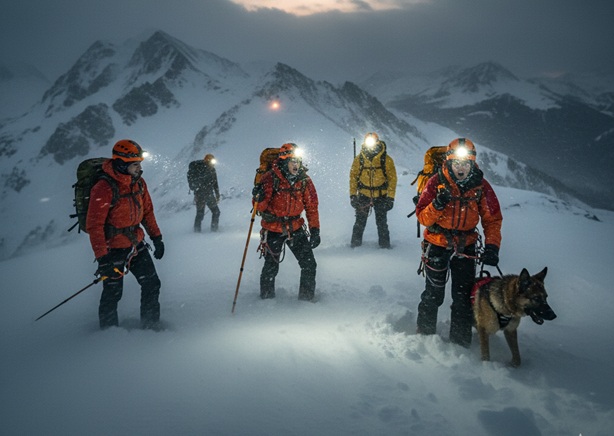
The Power of Three
Layer like your life depends on it, because it kind of does. Let’s break it down simply and clearly. Before you step out, whether for a quick hour hike or a long day of skiing, you must #TakeTheExtraMinute to confirm your layers. Layers are your personal thermostat. They are not optional.
- Wicking Base Layer (No Cotton. Seriously. No.)
Start with something that pulls moisture away from your skin. Merino wool or synthetic fabrics like polyester, nylon, polypropylene or elastane are the way to go. They are the unsung heroes of winter sports.
- Warm Middle Layer
This is your insulating powerhouse, usually fleece, down or thicker wool. It traps your body heat where it belongs: with you. This layer should be easy to zip open or remove.
- Water/Wind Resistant Outer Layer
This is your defensive perimeter, the shield that stands between you and winter’s bad attitude. It keeps the wind from stealing your trapped heat and repels snow and rain. Snow, sleet, wind, sideways frost daggers — your outer layer protects you from all of it.
Don’t Forget the Edges
Hypothermia loves to attack the spots with the highest surface area and least insulation: your head, hands and feet. They are the prime real estate for heat loss.
- Head: You can lose as much as 10% of your body heat through your head because it’s often the least insulated part of the body. A knit hat that also covers your ears or a balaclava is the quickest way to reheat your entire body.
- Hands: If your core is cold, your body redirects blood to the vital organs, leaving your fingers useless. You can’t start a fire, operate a zipper or dial for help. Always have waterproof gloves or mittens.
- Feet: Cold feet are miserable and slow you down. Frostbitten feet can stop you dead. Wear proper wool or synthetic socks and warm waterproof boots. It’s okay to layer your socks. Only you know.
Safety in the winter isn’t about being tough. It’s about being prepared. #TakeTheExtraMinute to layer up, ditch the cotton and pack that extra puffy jacket. Your well-insulated self will thank you later. If it sticks out into the cold, cover it.

The Double Trap: Hyperthermia Leads to Hypothermia
Wait, what? Here’s a plot twist even experienced adventurers may not see coming. Even in the dead of winter, the danger isn’t just the ambient temperature. It’s the fact that your body is working hard. You’re in the backcountry, moving fast, working hard. You’re generating heat and everything feels fine. Until you stop. Suddenly that moisture becomes a conductive cooling system your body never asked for. You are actually at risk of hyperthermia (overheating) and the ensuing sweat creates the perfect trap for hypothermia (loss of core body temperature).
You sweat. You stop. Your body cools down faster than it can warm back up. The moisture trapped next to your skin rapidly cools, sucking heat away faster than your body can recover. That’s evaporative cooling. You’re left shivering, sluggish and in danger. That moisture is the fuse.
The fix? Manage your layers actively. Unzip when you’re heating up, but zip back up quick when you pause. Dress so you’re slightly cool while moving and always have a warm layer ready for stops. Yes, it feels counterintuitive. Yes, it absolutely works.
Avoid the Curse of Cotton
Cotton is the villain of winter. It soaks, it clings, it chills and it kills. If cotton gets wet, it stays wet and wet is the enemy. It’s not being dramatic. Cotton and similar fabrics, like denim, are hydrophilic. They love water. They absorb and retain moisture like a sponge, losing all insulating properties when wet. Wind slices through your wet clothes like a knife. Being wet in the cold is a serious risk. You get wet, you get cold, you get hypothermia, you die. End of PSA.
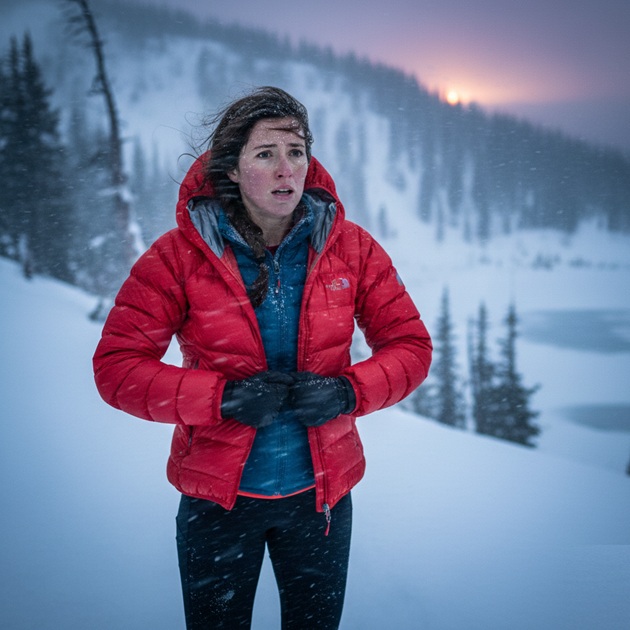
Take the Extra Minute to Dress for the Stop
This is the most critical piece of gear advice. Most people dress perfectly for the activity — that brisk walk, hiking uphill, skiing hard, snowshoeing with enthusiasm, a snowball fight. But the real danger starts when you stop moving. Taking a break. Waiting for a friend to catch up. Taking photos. Eating lunch. Pausing to snap a picture of that epic sunset. Dealing with an unexpected injury. Or simply misjudging how long it takes to get back to the trailhead.
When you stop, your body’s internal heater throttles down, your sweat starts cooling and suddenly you’re colder than you thought possible. You must always pack a dedicated “stop layer”.
Wet, wind and waiting are the ‘Three W’s that turn a fun winter outing into a hypothermia risk. If you remember nothing else, remember this: Always pack your insulating layers. Bring extras.
A good waterproof shell and a thin insulating puffer jacket you can throw on over everything else can turn a freezing emergency into a minor inconvenience.
Take the Extra Minute Before Winter Takes It From You
Hypothermia isn’t dramatic, but it’s deadly. It’s a real threat that claims lives every year. It doesn’t care how experienced you are, how short your hike will be or how good your jacket looks in selfies.
Winter safety isn’t complicated. It’s intentional. Dress smart. Stay dry. Shield yourself from the wind. And always, always pack the layer you hope you won’t need. It’s the difference between enjoying the winter wonderland and becoming a statistic search and rescue teams dread.
When you step outside this winter, remember, #TakeTheExtraMinute to plan, to layer and to keep your heat. Winter is a different beast. Make sure you’re ready to go toe to toe with it. We’d rather you enjoy the season than have us come looking for you in the cold.

Discover more from Tales of Many Things
Subscribe to get the latest posts sent to your email.