
The days are stretching longer and the lure of a bluebird winter day is strong, but as any seasoned outdoor enthusiast knows, January and February often bring the most biting winds and the deepest freezes.
Cold temperatures, wind and moisture continue to test anyone who spends time outdoors. Whether it’s backcountry travel, snowmobiling, skiing, hiking, hunting or simply working outside, winter recreation and chores still come with Mother Nature’s rules. Right now, one of the most serious risks is frostbite.
Frostbite isn’t just being cold. It is the literal freezing of skin and the underlying tissues. When your body is exposed to freezing temperatures, it shifts into survival mode, pulling warm blood away from your extremities to protect your core organs. If left unprotected, the water in your cells can actually turn to ice crystals, causing permanent damage. It’s a medical condition that can cause permanent tissue damage and, in severe cases, lead to infection or amputation.
The good news is that it’s largely preventable if we slow down, pay attention and #TakeTheExtraMinute to prepare.
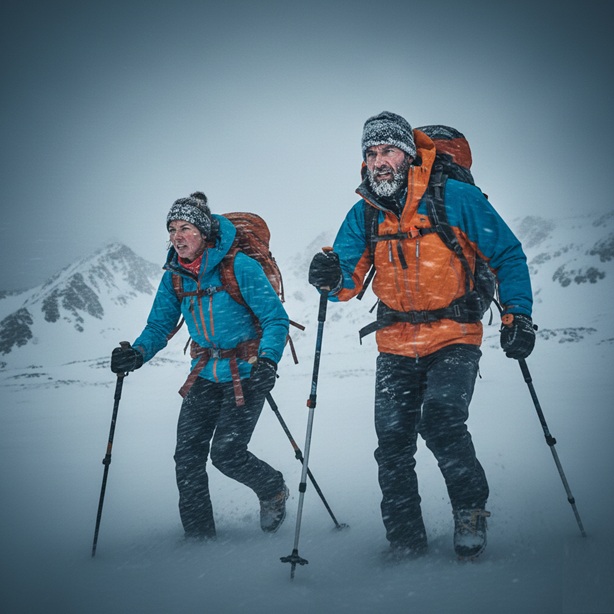
What Is Frostbite?
Frostbite occurs when skin and underlying tissues freeze. Cold temperatures cause blood vessels to constrict, reducing blood flow to exposed areas. Ice crystals can form inside cells, damaging tissue and disrupting circulation. The longer exposure continues, the deeper and more severe the injury becomes.
Frostbite most commonly affects:
- Fingers and hands
- Toes and feet
- Nose
- Ears
- Cheeks and chin
Wind, wet conditions, tight footwear or gloves and prolonged exposure dramatically increase the risk.
Who Is Most Vulnerable?
While anyone can get frostbite, certain demographics and situations increase vulnerability:
- Outdoor recreationists, who underestimate conditions or push plans despite worsening weather. In particular, it’s the sweaty adventurer who pushed hard. That moisture pulls heat away from your skin 25 times faster than dry air.
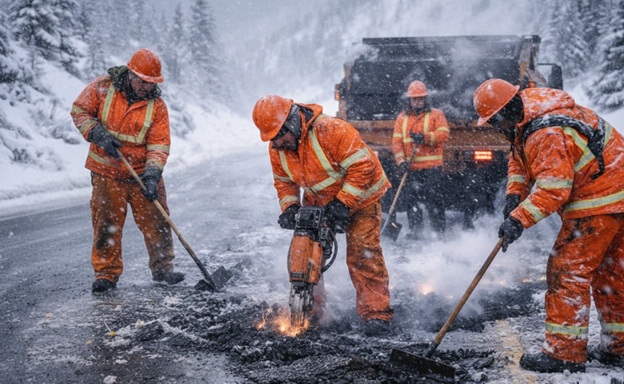
- Workers, who spend long hours outside, especially if a part of that time is standing still.
- Children, who lose heat faster due to their lighter mass and may not recognize the early symptoms.
- Older adults, especially those with reduced circulation, whose bodies may not regulate temperature efficiently.
- People with medical conditions, such as diabetes, peripheral vascular disease or Raynaud’s phenomenon, which restrict blood flow to the hands and feet.
- Anyone impaired by alcohol or drugs, which dull judgment and reduce the body’s ability to regulate temperature. Alcohol is a vasodilator that actually accelerates heat loss, despite the “warm” feeling.
- The unprepared, who venture out, not realizing that frostbite can occur in under 30 minutes at -15°F (-26°C), even when well bundled, with just moderate wind.
Fatigue, hunger and dehydration also make the body less capable of protecting itself from the cold. Proper food intake is critical for fighting against the elements.
How to Prevent Frostbite
Prevention is almost entirely about moisture management and airflow. It starts before you step outside.
Dress for the conditions
- Start with a moisture wicking base layer, add an insulating layer and top off with a weather proof outer shell.
- Depend on layered clothing that traps heat and can be added to or removed quickly.
- Cover the hot spots of exposed skin with insulated gloves, hats, face coverings and neck gaiters.
- Avoid tight boots or gloves that restrict circulation and eliminate the pockets of warm air around your skin.
- Change out of wet clothing as quickly as possible to prevent moisture freezing on top of skin or rapidly evaporating and stealing heat.
Plan conservatively
- Check the weather, including wind chill, not just the air temperature and know what it looks like three hours after you expect to be back home.
- Build in extra time and have turnaround points because if you overcommit, nature will exercise the option to delay you.
- Tell someone your plan and expected return time, so search and rescue can be alerted early.
Fuel and hydrate
- Eat regularly and stay hydrated because your body needs energy to generate heat.
Pay attention
- Watch for numbness, tingling or skin color changes, let your body’s alert system be your guide.
- Take breaks to warm up, even if you feel fine, so you can avoid the rapid cooling spiral.
This is where #TakeTheExtraMinute matters most. That minute spent adjusting layers, adding wind protection or reassessing conditions can prevent a minor inconvenience from becoming a rescue or a lifelong injury.
Recognizing Frostbite
Frostbite progresses in stages. Recognizing the early signs is the difference between a sore finger and a surgical intervention.
- Frostnip (The Warning): Skin may appear pale or red and feel very cold. It may tingle or feel numb. Get out of the cold immediately. Warm the area with skin-to-skin contact (like putting hands in armpits).
- Superficial Frostbite (The Emergency): Skin turns pale or white and may feel firm or “waxy”.
- Deep Frostbite (The Reckoning): Skin feels hard, turns gray or blue and you lose all sensation of cold or pain in the area.
Loss of pain does not mean improvement. It often signals worsening injury.
If the World Turns Against You
If you suspect frostbite, act promptly, but carefully.
Get out of the cold
- Move to a warm sheltered area as soon as possible.
Rewarm only if refreezing can be prevented
- Use body heat or warm (not hot) water, around 99–104°F (37–40°C).
- Rewarming should take 15 to 30 minutes, until skin becomes soft and warm, with return of normal color.
- Expect pain during rewarming. This is normal.
Do NOT
- Do not rub or massage the frostbitten area with snow or your hands. This is like rubbing shards of glass into your tissues.
- Do not use direct heat like fires, stoves or heating pads because numb skin can not feel if it is being burned.
- Do not thaw the area if there is any risk of it freezing again before you reach medical care as the “freeze-thaw-freeze” cycle causes the most catastrophic tissue damage.
- Do not break blisters as they form a protective sheath and keep out infection.
- Do not walk on frostbitten feet if it can be avoided, unless absolutely necessary for survival.
Seek medical care
- Frostbite beyond mild frostnip should be evaluated by a medical professional as soon as possible.
If you are in the backcountry and evacuation is delayed, protect the injured area, keep it warm and avoid further trauma.
A Preventable Emergency
Frostbite doesn’t usually happen all at once. It develops quietly, often when people are tired, pushing limits or focused on the goal instead of the conditions. That’s why prevention matters and why awareness saves lives, limbs and rescue resources.
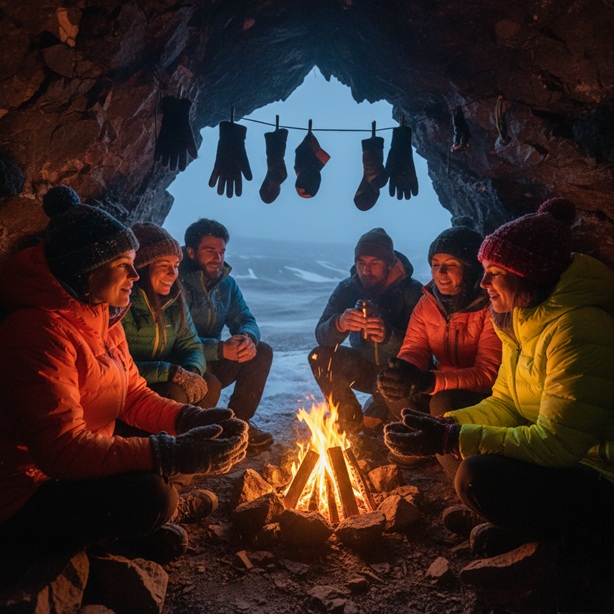
The extra minute you spend checking your companion’s face for white spots or stopping to change into dry socks, isn’t wasted time. It’s the time that ensures you’ll be back on the trail next weekend.
Respect the cold, watch your “hot spots” and never let the beauty of the winter landscape blind you to its bite.
Winter still demands respect. Before heading out, pause. Adjust your plan. Check your gear. Listen to your body. #TakeTheExtraMinute. It can make all the difference.
Search and rescue teams respond to frostbite incidents every winter and almost all of them share a common thread: conditions changed, moisture built up or warning signs were ignored. Search and rescue exists to help when the unexpected happens, but the best rescue is the one that never needs to occur. Taking the extra minute to layer up, turn around or warm up doesn’t just protect you. It protects the volunteers and professionals who may otherwise have to come looking for you in dangerous conditions. Thoughtful preparation keeps adventurers safe, resources available and rescuers out of harm’s way. #TakeTheExtraMinute — it saves time, tissue and lives.
Discover more from Tales of Many Things
Subscribe to get the latest posts sent to your email.