
The Deception of March in the Mountains
The trailhead is a tease. It’s 15°C (60°F) at the parking lot. The birds are chirping. The pavement is dry. The sun is warm. The air is soft. The snow is melting. It feels like the season has changed. You’re tempted to head up in shorts and a light hoodie.
But the summit is a different season. In the high country, March isn’t the start of spring. It’s often the peak of winter. At elevation, March is often the snowiest month of the year. What you’re seeing isn’t spring. It’s an illusion, one that evolves the higher and farther you go.
“Spring” at altitude is a suggestion, not a fact. This is where people get caught between seasons. This is where plans fall apart. Before you head out, #TakeTheExtraMinute to respect the transition.
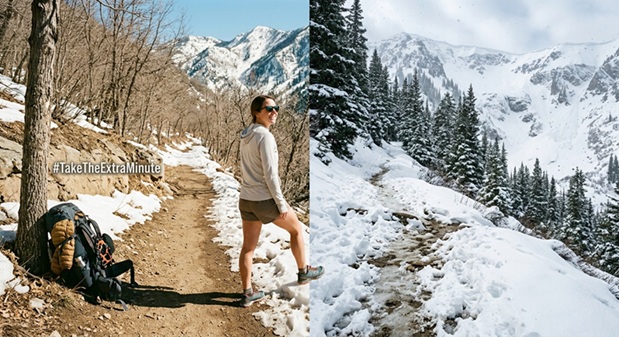
The Illusion of the Trailhead
March is a month of contradictions. Dry ground turns to mud. Mud turns to ice. Ice gives way to collapsing snow. A single hike can hold all three and conditions change faster than your plan.
As you climb, the trail will morph through distinct stages:
- The Muck: Deep, trail-damaging mud that wants to wrestle your boot. Or take you down if you’re not willing to part with your footwear.
- The Glass: Refrozen meltwater that turns trails into skating rinks. February’s Invisible Edge is still waiting for you to make a mistake.
- The Trap: “Rotten” snow that looks solid, but collapses into exhausting post-holing. Standing hip deep in wet snow is akin to being in quicksand, with a bonus risk of hypothermia.
- The Slide: Rapid afternoon warming creates “wet slides”. That sunny 2:00 PM warmth is exactly when avalanche risk can spike.
- The Torrent: By the afternoon, a stable morning crossing becomes a cold, fast moving hazard.
And as daylight stretches longer, people push farther, often past the point where conditions allow a safe return.
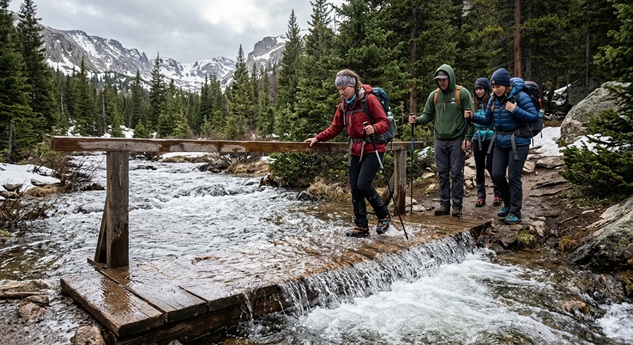
The Sun That Tricks You
The same sun that makes the trailhead feel like spring is working against you higher up. At elevation, sunlight reflects off snow with intensity:
- Snow blindness can develop in hours without eye protection
- Severe sunburns happen even on cold days
- Rapid warming destabilizes the snowpack
That warming creates one of March’s most dangerous threats: wet avalanches.
Heavy snow, combined with rising temperatures, can trigger slides that move slower than winter avalanches, but with immense weight and force. Imagine being overtaken by wet concrete.
Avalanches don’t need steep terrain to be deadly. They just need enough slope and enough weight. And warm afternoon timing.
And March is all about timing.
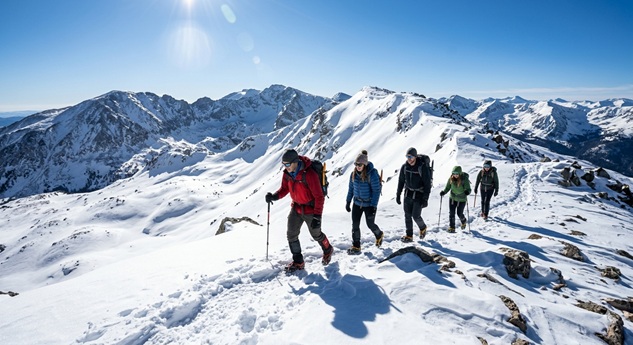
When Winter and Spring Collide
March conditions don’t fail all at once. They stack.
- Snow melts, then refreezes
- Trails soften, then collapse
- Slopes warm, then release
- Water rises as snowpack drains
What starts as a manageable hike can quietly evolve into something technical and then dangerous.
Most people don’t notice the shift until it’s already happened.
Real Risk, Familiar Pattern
March rescues rarely begin in storms. They begin in blue skies.
A light pack. A confident start. A plan built for one season in a place experiencing two.
Then something changes:
- Traction becomes necessary
- A crossing becomes impassable
- A slope becomes unstable
- The return becomes uncertain
And suddenly, the easiest part of the day is behind you.
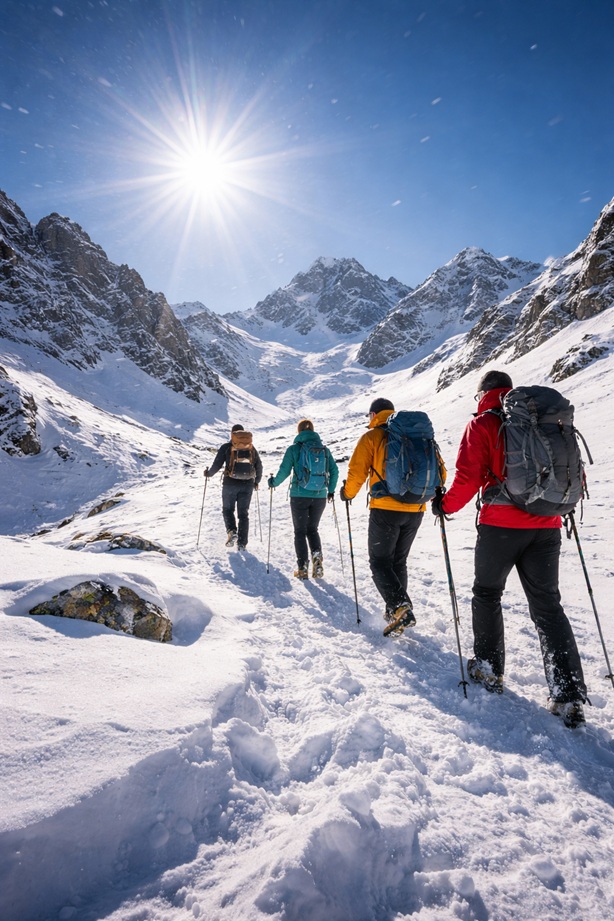
How to Stay Ahead of the Season
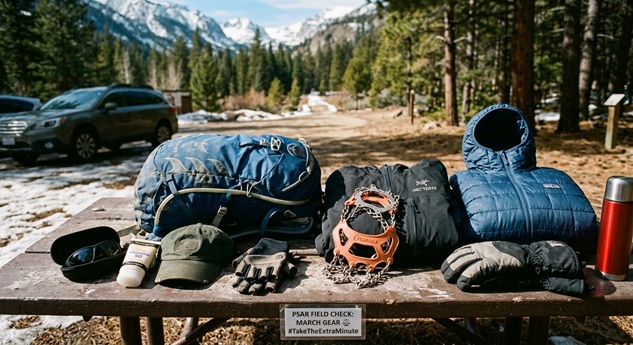
#TakeTheExtraMinute to pack for two seasons
- Bring layers for both warmth and exposure. Step into the shade and it can feel like a freezer.
- Carry traction. Even if you don’t start with it, elevation will deliver ice and on a 15° slope that can be a killer.
- Don’t forget eye protection and sunscreen. Even when it’s cold, radiation will take its toll at 10,000 feet.
- Check the “wet slide” factor. If the snow feels like mashed potatoes, it’s losing its bond. Check the avalanche forecast before you step off the pavement.
- Plan the turnaround. March rescues don’t usually start in a blizzard. They start in beautiful weather that turns sour. If the water crossings are swelling or the snow is collapsing, have the “ego strength” to head back. There’s no shame to challenging the mountain on a different day. The mountain is playing for keeps.
Always respect the shift. Pay attention to changing surface conditions, be cautious near slopes and drainages in the afternoon, turn around when the terrain starts making decisions for you, because once conditions dictate your movement, you’ve already lost control of the situation. Once the first domino falls, the rest cascade and managing your safety quickly becomes a downward spiraling battle.
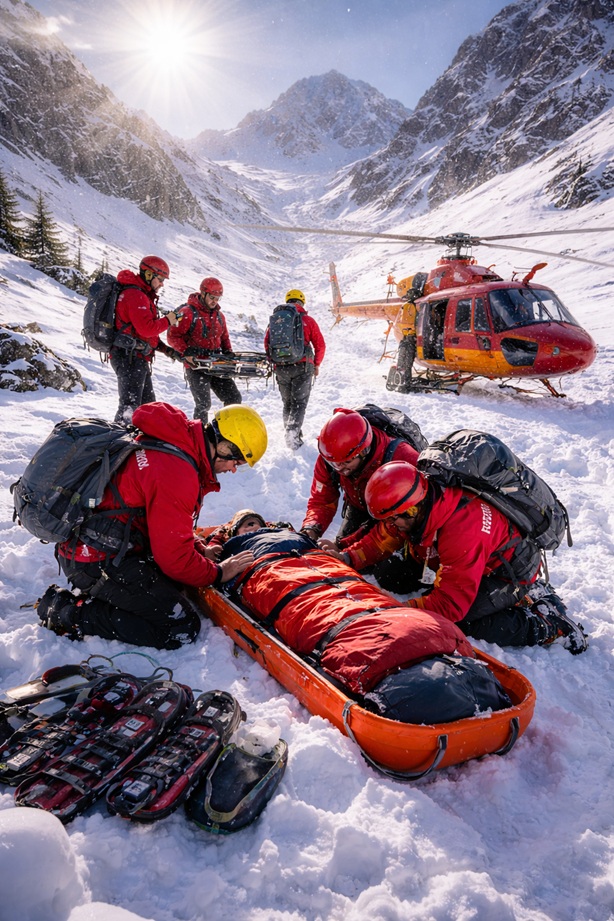
The Weight of the Extra Minute
March doesn’t announce its danger. It hides it in comfort, in sunshine, in the false confidence of a dry trailhead.
But the mountain hasn’t changed seasons yet. When you take a moment to reassess, to add a layer, to pack traction, to check the slope or to turn around, you’re not overreacting. You’re adapting.
And adaptation is what keeps small problems from becoming large rescues. Because if it’s dangerous for you, it’s dangerous for search and rescue, too.
#TakeTheExtraMinute, because March doesn’t make up its mind.
At 10,000 feet spring is a suggestion. Conditions are reality. Plan for both and don’t let a sunny trailhead lure you into a winter rescue. The Invisible Edge didn’t disappear. In March, it just moved.
Discover more from Tales of Many Things
Subscribe to get the latest posts sent to your email.