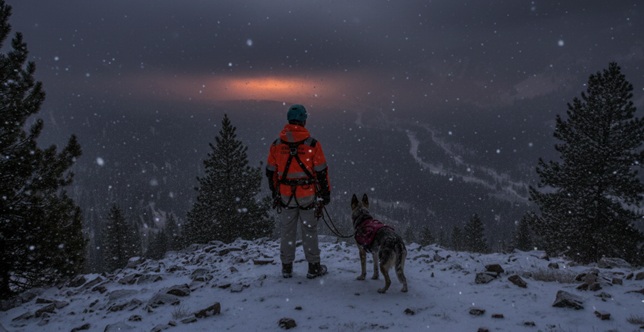
Because Rescue Starts with Compassion: A Reflection for National First Responders Day

The Calm After a Search

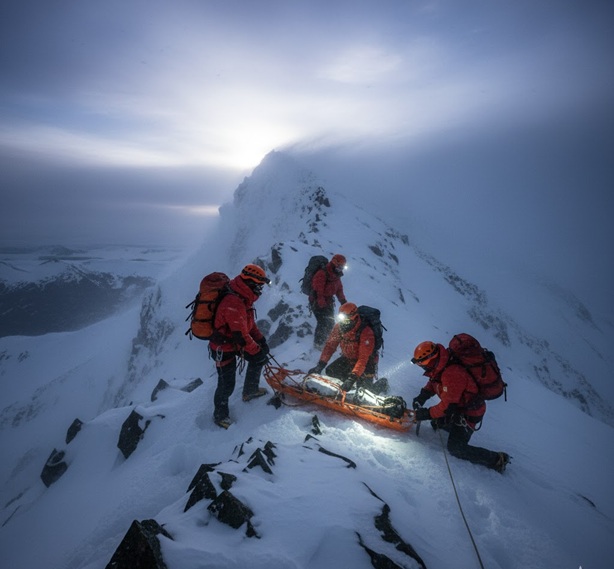
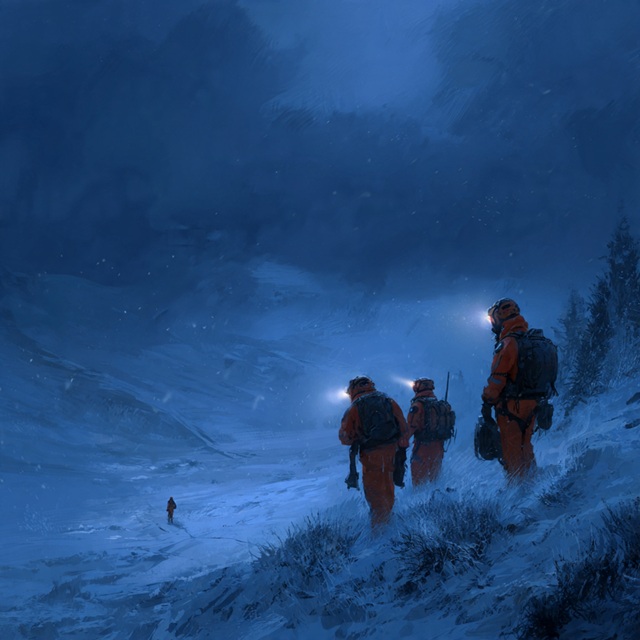
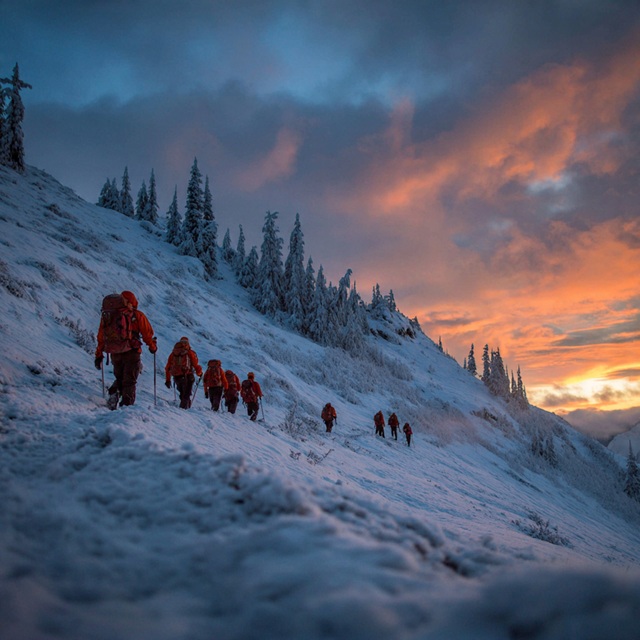
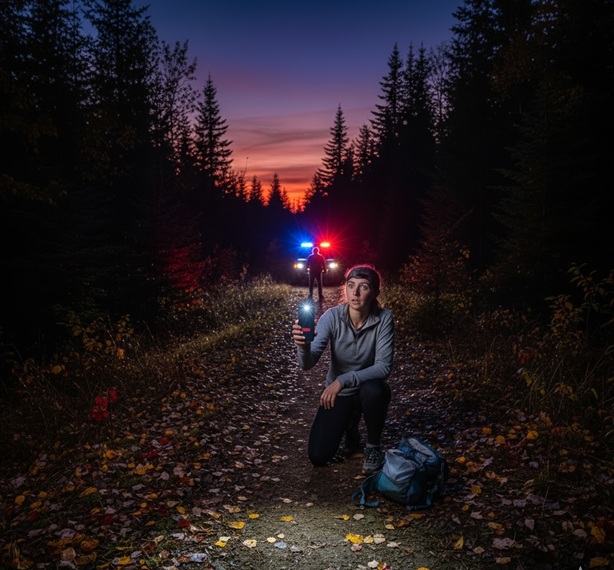
The quiet always feels good. The search is over. The headlamps are off.

When the radios go silent and the trucks pull back into the bay, there’s a moment of stillness, a pause between one story ending and the next beginning. The gear is muddy, the packs are heavy and everyone’s tired. But there’s comfort in that quiet hum of shared effort. It’s a stillness that feels like a deep breath out, a collective sigh of relief when everyone makes it home.

Getting gear cleaned up and ready for the next call is part of the ritual, scrubbing mud from boots, coiling ropes, hanging harnesses to dry. It’s both a reset and a reflection. While the work is physical, the silence afterward is emotional. You think about what went right, what could have gone differently and the people you served, whether they were found safe or not.

That quiet moment isn’t about celebration. It’s about gratitude for teammates who showed up, for the chance to help and for the knowledge that when the next call comes, someone will answer. This quiet time isn’t just about readiness. It’s an involuntary moment of emotional reflection. It’s when we process the mission, the relief that broke the tension and the heavy awareness of what we just helped prevent.


The “Why” — Not the “What”

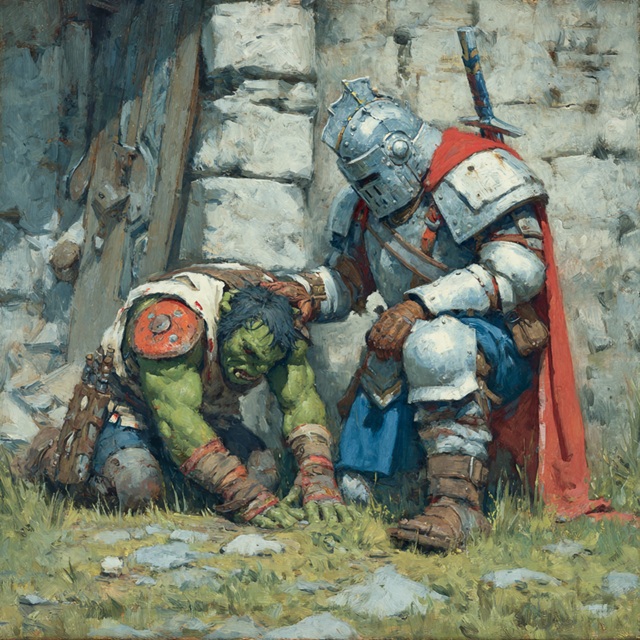
Why does a team of strangers, all volunteers, drop everything to run toward someone else’s crisis? It’s not built on adrenaline or a desire for heroics. It is built on a simple foundational belief: everyone deserves to come home.

It’s easy to think of search and rescue as dramatic or dangerous and sometimes it is. But at its core, it’s about people quietly showing up when someone else is lost, injured or afraid. It’s about the community’s strength when ordinary people choose to help, where compassion, not adrenaline, drives the response.

It’s the result of countless small decisions: the decision to show up to a training session, to spend a Friday night practicing rope techniques or sharpening medical skills or perfecting navigation and the unwavering decision to answer that late-night page. It is an expression of compassion and connection that extends beyond the immediate scene.

There’s no fame in this work. There’s no spotlight. There’s just a pager tone in the night and the decision to respond again and again, because someone out there needs help. It’s about people stepping up to help strangers in their worst moments. Search and rescue shows up because, at the core of it, we are all neighbors and we all understand what it means to face the worst day imaginable.

The truth is, SAR isn’t about heroics. It’s about heart. It’s about preparedness, compassion and connection. It’s about the small, steady choices: training on your day off, maintaining your gear, checking weather, learning terrain, building trust with your team. Those choices don’t make headlines, but they make rescues possible.


The Bigger Picture

And while compassion drives us, coordination sustains us. No search happens in a vacuum and no success belongs to a single person. Search and rescue is an essential thread in the vast woven fabric of emergency response.

A successful outcome is a testament to trust and teamwork built over years. Search and rescue teams are part of something bigger, a network of responders who rely on one another’s strength, skill and coordination. Every mission begins with the dispatchers who calmly take the frantic initial call, law enforcement who secure the scene, fire and EMS who provide critical care and neighboring search and rescue teams who willingly cross county lines in the dark of the night to augment manpower without hesitation.

Behind every successful rescue are the volunteers who shouldered the miles, the canines that tracked through the darkness and the ground crews who checked every possible path. It is a system reliant on professionals and volunteers alike, that proves that teamwork is the only true source of strength when a life is on the line. Teamwork and trust aren’t just words. They’re lifelines. Every successful rescue depends on communication, collaboration and mutual respect across agencies.

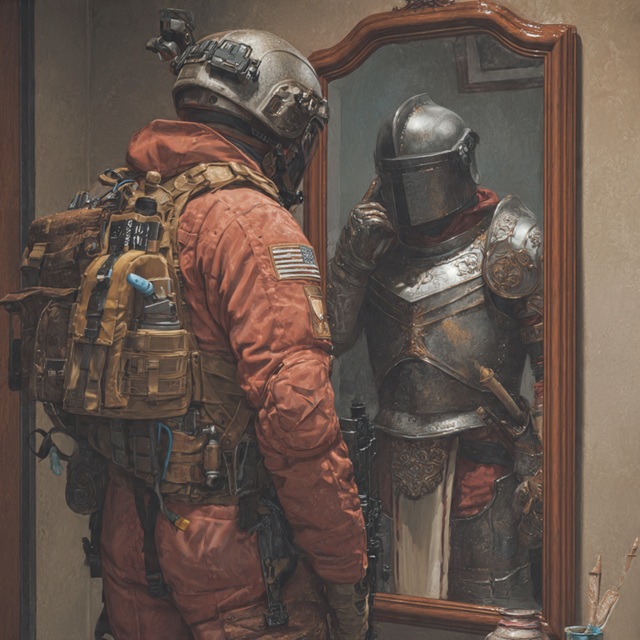
And when it’s over, the same people who spent hours in the cold and the dark return to their regular lives as parents, students, engineers, nurses, store clerks, all carrying the weight and the meaning of what they just did quietly, with pride that’s rooted not in ego, but in service.


A Call to Action Rooted in Gratitude

If you see a responder today, on National First Responders Day, thank them, not just for what they do, but for why they do it.

But the best way to honor them isn’t just with words, it’s with action. The most powerful way you can support the mission is to be part of the prevention effort. Take a moment to prepare before your next outing. Check the weather. Tell someone your plans. Pack the ten essentials. Charge your phone. Bring what you need to stay safe.

Search and rescue teams exist because bad things happen to good people, but preparedness can drastically change the outcome. Every life we save starts with someone who thought ahead. If you want to make an even bigger difference, consider volunteering, donating or sharing safety information in your community. Because the more we prevent, the fewer rescues we need.

Help us keep the quiet moments, the moments of successful reflection, sacred. #TakeTheExtraMinute because rescue starts long before the call ever goes out. Every first responder is grateful for the opportunity to serve.


Posted in Holidays, Search and Rescue | Tagged , , , , , , | Leave a comment

Black Cats: They’re Just Purr-fectly Normal

October 27 is National Black Cat Day and let’s be honest, these sleek, shadowy companions arrive with more baggage than a globe-trotting rock star, mostly thanks to some terribly outdated press.

For centuries, black cats have had a PR problem. In Western folklore, the black cat was unfairly saddled with the worst reputation. They were cast as the spooky sidekicks to witches, familiars of dark spirits, bad omens and generally harbingers of bad luck. Basically, if there was an ancient rumor mill, the black cat was its favorite gossip topic. Let’s be real, the only evil spirit a black cat is channeling is the one that demands a second breakfast at 4:30 AM.

But here’s the truth: the only thing “mystical” about black cats is how they manage to look so effortlessly elegant while knocking your coffee mug off the counter at 3 AM.


The Science of Super-Coolness 🖤

That magnificent, inky coat isn’t a magical hex. It’s a common genetic trait called melanism. It’s a naturally occurring mutation that can even offer health benefits, like improved disease resistance. Nature’s little bonus for being fabulous.

Because of all that dark magic … er, pigmentation … many black cats sport striking golden or yellow eyes that offer a truly beautiful, high-contrast look. They’re like tiny, sophisticated panthers, just waiting for the exact moment you leave your china unattended.

But black cats aren’t bad omens. They’re just naturally photogenic and, like any other color cat, explore the world in a way that suits their personalities.


My Cats: The Odd Couple

I once had two cats:

  • An orange-and-white domestic shorthair, a cat who moved like a bowling ball with a built in stealth mode, always activated.
  • And a black Persian mix, slender, independent and always two paw-steps ahead of trouble.

They were born a month apart, agreed on absolutely nothing and treated each other like natural enemies in a low-stakes spy thriller. The orange one believed in naps and stalking squirrels through the window. The black one believed in chaos through exploration. The only thing they shared? A mutual respect for my hundred-pound German Shepherd, who somehow managed to negotiate peace between them.

Anyone who’s lived with animals knows that every pet has a personality — quirks, preferences and opinions as strong as any human’s, a pure, unfiltered identity. These two were night and day. One, a stealthy butterball, capable of sneaking up on anyone and the other, an independent, trouble-seeking missile. But neither one brought an ounce of bad luck. They were simply two amazing companions with opinions. Lots and lots of opinions.


Why We Celebrate

National Black Cat Day is all about rewriting the narrative. It’s a reminder that black cats deserve love, not fear and superstition.

Unfortunately, ancient beliefs still cast a suspicious shadow, even today. Black cats face longer shelter stay times and lower adoption rates than their lighter-colored counterparts because of these outdated myths. While they seem to be popular at Halloween, it’s vital to remember that a black cat is not a disposable holiday prop or spooky décor. They’re living, loving companions, regardless of the date on the calendar.


Black Cats: Good Luck Around the World

Not every culture bought into the “bad luck” nonsense. In fact, black cats are lucky charms in many places:

  • 🧭 Sailor’s Luck (UK & Ireland): Sailors believed black cats heralded safe voyages and brought ships home.
  • 💰 Prosperity (Scotland): A black cat on your doorstep meant wealth was on its way.
  • 💞 Suitor Charms (Japan): Single women kept black cats to attract good partners. (So maybe that’s what your dating life is missing? Close that dating app and get a black cat! Now!)

Black cars don’t bring bad luck. They bring purrs, companionship and sometimes a dead mouse as a gift.


How to Celebrate National Black Cat Day

  • 📸 Share a photo of your black cat (or borrow a friend’s!) using hashtags like #BlackCatDay, #AdoptABlackCat or #BlackCatLove.
  • 🏡 Adopt or support black cats from local shelters — they need advocates year-round, not just in the spooky season.
  • 💬 Spread awareness: Share fun facts and bust myths. Remind people that coat color doesn’t define personality or worth in cats any more than it does in people.
  • 🎁 Pamper your black cat: Treats, toys or even a new photoshoot — they’ve earned it.

Every black cat adopted chips away at a superstition that’s overstayed its welcome.

Black cats aren’t omens — they’re icons. So this October 27, let’s give them what they really deserve: love, attention and maybe a little extra tuna.

After all, anyone who’s ever been chosen by a black cat knows the truth: You don’t own them. They graciously allow you to live in their shadow. Dogs have masters.  Cats have servants. 😸

Posted in Animals, Holidays | Tagged , , , , , , | Leave a comment

Take the Extra Minute: Don’t Let Your Costume Hide You

Halloween brings laughter, candy and a parade of superheroes, witches and ghosts filling the streets, but it also brings one of the riskiest nights of the year for pedestrians, especially kids. Darkness, excitement and costumes that limit visibility all combine to create a perfect storm for preventable accidents.

Halloween is a holiday for fun and excitement, but it’s also a night when search and rescue teams are on high alert. As search and rescue volunteers, we know that prevention saves lives, whether it’s hikers packing for the wilderness or families planning for a night of trick-or-treating. We urge hikers to pack the ten essentials, check the weather and plan their routes and trick-or-treaters have similar steps to take. The difference between a close call and a tragedy can come down to one simple choice — taking the extra minute to prepare.

On one particular night of the year, Halloween, the wilderness is traded for the neighborhood street and the dangers aren’t hidden crevasses or sudden storms, but vehicles, darkness and excitement.

Tonight, we need to #TakeTheExtraMinute to talk about urban Preventative SAR, focusing on the unseen victims of the night: the trick-or-treaters who become invisible and the volunteers who might be called when the fun turns serious.

Costumes are Hazards: The Urban SAR Reality

Halloween is fun, but costumes are hazards. We send our kids out dressed in intricate gear that often acts as a visibility nightmare: masks that severely restrict peripheral vision, capes and robes that create tripping hazards and dark fabrics that completely absorb what little light there is.

Everyone is moving in the dark, often fueled by excitement, which leads to dangerously low situational awareness. For SAR and EMS teams, this means responding to two main call types: serious pedestrian-vehicle collisions and minor, but frequent falls and lost person reports in crowded dark areas.

The “Extra Minute” Actions That Save Lives

A single minute of proactive effort before you head off into the night can dramatically reduce the likelihood of a major incident and drastically cut down the response time if a child does get separated from their monster pack.

The Extra Minute Action Why SAR Teams Care
Visibility Check: Add reflective tape, glow sticks or bright colors to costumes, especially at the knees, ankles and backs. Reduces Trauma Incidents: This minute directly reduces the likelihood of a major accident, specifically pedestrian-vehicle collisions, by making pedestrians highly visible to drivers.
Lighting Check: Make sure every person carries a flashlight or headlamp, not just relying on a phone. Speeds Up Search: If a child gets separated, a steady bright light makes them dramatically easier to locate in a crowd or on darkened streets. It gives search teams a focused target point.
Route Check: Take a minute to review the trick-or-treating route and discuss traffic hazards before leaving the house. Prevents Misdirection: Reduces calls for lost children who wandered off the planned route in their excitement or disorientation. It instills crucial situational awareness before the sugar rush takes over.
Costume Check: Ensure costumes are properly hemmed to prevent tripping and that masks do not block peripheral vision. Reduces Falls & Injuries: Trips and blocked sightlines are a leading cause of minor SAR and EMS incidents during community events. Preventing falls keeps volunteers free for higher priority missions.


Why This Matters to Search and Rescue

SAR teams respond to more than wilderness emergencies. We assist during community events when people go missing or are injured and Halloween night often brings an uptick in calls. A reflective strip or light in the dark can be the difference between an easy find and a critical situation.

Visibility isn’t just for drivers. It’s for rescuers, too. When someone vanishes into a crowd of dark costumes, minutes matter. The more visible and prepared a child is, the faster they can be found and the safer everyone stays.

Your Best Safety Gear is a Glow Stick

Halloween is pure fun, until costumes turn into hazards. Capes trip. Masks block sight. And everyone is moving in the dark. We want you to have a fun and safe night. The world depends on the visibility, skill and judgment of those who venture out. Don’t let your kid become a tiny ghost that drivers and rescuers can’t see. Before you step off your porch, #TakeTheExtraMinute to light up your crew and check for movement restrictions.

Sometimes the scary effect your kids may want isn’t total darkness, but a glowing light in the night. That’s perfect, because a little glow stick is the best safety gear you can wear on Halloween. It tells the world: “I am here, I am moving, I am safe.”

As first responders, we tell the public to prepare for the worst before they step onto a trail. It’s time we did the same for the busiest night of the year.

#TakeTheExtraMinute for yourself, for your family and for your community. Staying safe is just a matter of a few easy decisions.


Posted in Holidays, Search and Rescue | Tagged , , , , , , , | Leave a comment

The Real Value of Your Diploma: Why a Tier 1 Party School Changed My Life

I’m a big fan of education and I have a confession to make.

I went to a Tier 1 Party School. You know the type, a university that regularly makes the Top 10 “Most Fun” lists, where the weekends start on Thursdays, the Greek life hums like a beehive and tailgating is practically a sport unto itself. We’re talking about a state university that routinely ranks in the top handful of America’s wildest campuses. If I’d been looking for the holy trinity of sex, drugs and rock and roll, I wouldn’t have had to look far.

In fact, my junior-year roommate was a rock and roll star, the frontman of a student band that never had trouble booking paying gigs. They were good and they were busy. Loud, talented and far too confident for 20-year-olds who thought “practice” meant “after the party”.

But here’s the real confession, the one that matters. I also went to a Tier 1 Research University, a place that didn’t just hand out diplomas. It handed out perspective.

Behind the noise and the neon, there were brilliant minds at work. Professors who didn’t just ask us to repeat century-old experiments by Nobel laureates — they asked us to design our own. They didn’t want us parroting back the answers from the book. They wanted us writing the next chapter. We were told to push the envelope, even if it exploded in our faces. And sometimes it did.

It was glorious. We were wrestling with questions that hadn’t been answered yet. Our professors didn’t just teach us to pass a test. They forced us to take the steps to get to the cutting edge of research, to solve the problems and to invent the answers. I learned how to think and in retrospect, it was invaluable.

The Reality Check

Of course, not everyone thrived. Some of my classmates didn’t take things seriously and faltered. One bad semester earned you a warning. Two bad semesters earned you a sabbatical, the kind where have to go “find yourself”. Not everyone came back after that and of those who did, many still did not thrive.

I managed to keep my footing, but not without casualties. I earned the dubious nickname of “the engineer killer”. Over the first three years, I had roommates majoring in computer, electrical and mechanical engineering. Two switched to business. One became a psychology major. By my senior year, the only person left brave enough to share an apartment with me was my girlfriend. That worked out fine. We both graduated, just six months apart, but our paths afterwards took us in different directions.


The Laboratory of Life

It took me a few years to fully appreciate what college gave me. It was an amazing experience. Graduate school sharpened it, but corporate life dulled it a bit, not because I don’t love my work — I do — but because the world of “deliverables” rarely lets you pause and ask, “What if…?” Explosions of mistakes are treated differently in the corporate world.

In the university lab, I was allowed to wonder. To tinker. To chase curiosity just to see where it went. That’s not just science. That’s the essence of learning.

The Great Education Debate

Today, the value of higher education is constantly debated. You hear the truism: “You can get a liberal arts degree and make five figures or become a master plumber and make six.” I can’t argue with the merit of a skilled trade and I must admit that a diploma is not a guarantee of a high salary. Rolling in cash comes from something different — a drive that is inside you, a desire to be bigger. What’s important to remember is that we need both philosophers and plumbers.

But let’s not pretend the value of higher education can be measured purely in dollars. Education isn’t about instant wealth. It’s about the compound interest on your potential.

What separates the person with a degree isn’t just knowledge. It’s the trained curiosity, the resilience after failure, the ability to connect dots no one else even sees.

So yes, a good plumber may earn more than a philosophy major, but both can build, fix and understand the world in ways that matter. And statistically speaking, higher education still opens more doors and expands more horizons than almost any other path.


The Ivy Illusion

A friend recently sent me a college promotional video, the kind that hilariously makes fun of old-world hollowed halls and instead promotes a small regional university where the students come first.

The video made me realize how often people are shooting for the prestige of a university name on their diploma, not the path to a career. They think walking the “ivy halls” is the shortcut to fame and fortune. It reminded me of how so many people treat college today: as a brand name rather than a journey.

We chase prestigious letterheads — Harvard, Yale, Stanford — like they’re winning lottery tickets. But as economists Alan Krueger and Stacy Dale famously found in a 30-year study, a decade later the university name on your diploma doesn’t determine your income or your impact. What matters is what you do after you hang it on the wall.

In other words: you can walk the “ivy halls” and still get lost.


So, Here’s My Rallying Cry

Unless you have a true passion for becoming an amazing plumber or electrician (and we absolutely need you!), give serious consideration to higher education. Don’t worry about the exclusive universities. Focus on the college that puts the student first and will force you to ask, “What if…?”

If you’re deciding your next step, look beyond the brand. Look for the place that will teach you to think, not just to memorize. The one that will challenge you, frustrate you and make you wrestle with big questions. It’s not always easy, but nothing beats the sensation of taming that beast.

And don’t overlook the “smaller” schools, the ones that put students before prestige. Those are often the campuses where professors know your name, where mentorship replaces metrics and where curiosity is still the main requirement for entry.

Because whether it’s a giant state university or a little liberal arts college tucked in the mountains, higher education isn’t just about getting ahead. It’s about getting awake.


And If You Still Doubt It…

Share the Featherstone University video with your friends. You’ll laugh, you’ll relate and maybe, just maybe, you’ll remember that behind every polished recruitment pitch is a timeless truth: higher education isn’t just where you earn a degree. It’s where you learn how to think, how to question and how to begin. It’s not just where you learn something. It’s where you become someone.

My college experience was too stressful, too short and wildly social, but the days I solved major problems stand out as my greatest milestones. I made science and that, in retrospect, was everything.


Posted in Culture, Education, Science | Tagged , , , , | Leave a comment

Take the Extra Minute: Keep It Real — Not Paranormal

Halloween is that time of year when the nights grow long, the air turns crisp and people go looking for a good scare. It’s a time to face the terrifying, defeat the sinister and prove you’re fearless, often under the cloak of night. There’s something thrilling about standing in the dark, heart racing, as your imagination fills in the shadows. For many young adults, the thrill-seeking adrenaline rush lures them out into the night: exploring shadowy places, chasing urban legends or sneaking into old “haunted” sites. But when that search for a thrill leads to dangerous places, the story can turn real and tragic in an instant. The real danger out there isn’t the supernatural. It’s physical and it’s all too real.

Every Halloween, people sneak past fences, hike out to ghost towns or step inside abandoned buildings, chasing the thrill of the unknown. It’s a kind of rite of passage, until something gives way beneath their feet or the cold, damp air turns toxic.

The truth is simple: the real danger out there isn’t supernatural. It’s structural, environmental and physical. #TakeTheExtraMinute is a reminder that haunting rescues we face aren’t ghost stories. They’re tragedies caused by a moment of poor judgment.

Old Buildings Aren’t Haunted — They’re Just Hazardous

That groan from the rafters isn’t a ghost. It’s rotted timber. The cold wind through the cracks isn’t a spirit. It’s structural failure. The creak underfoot isn’t an apparition. It’s a decaying floor ready to give way. Condemned structures are condemned for a reason. Weakened floors, rusted rebar, exposed wiring and unstable foundations turn these places into real hazards. Abandoned buildings can contain toxic mold, asbestos or hazardous chemicals that are invisible, but deadly. One wrong step could send you through a floor or pin you under debris. And when that happens, calling for help might not even be possible. Those chain-link fences that were meant to keep people out also make it harder for rescuers to get in.

Abandoned Mines: A Breath of Air Could Be Your Last

Old mines hold a powerful kind of mystery — dark tunnels, cold air and the sense that something ancient lives below. They may look like portals to another world, but they’re more like traps. What actually lurks there is far more dangerous than any ghost story. Hidden vertical shafts can drop hundreds of feet. Air pockets can be filled with toxic gases or have no oxygen at all. Walls and ceilings crumble with age and vibration. Water pools quickly, creating hidden sumps and unstable, slick surfaces deep inside. And once you step inside, your GPS, cell phone and radio are as useless as your flashlight when the batteries die. Old mines are some of the most dangerous places in the backcountry. Rescuers call these places “vertical tombs” for a reason. There’s nothing ghostly about an abandoned mine. It’s just deadly.

Cemeteries: Respect the Dead, Protect the Living

Cemeteries might seem like a classic Halloween destination, but they deserve respect, not midnight trespassers. Cemeteries have long been tied to Halloween lore — quiet, eerie and full of stories. But wandering into one after dark isn’t just disrespectful. It’s unsafe. Uneven ground, toppled headstones, hidden irrigation lines and sunken plots create tripping and twisting hazards, especially in the dark. A nighttime fall among headstones can easily turn a ghost hunt into a 911 call. And beyond safety, there’s a matter of decency: these are resting places, not adventure parks.

Caves: Nature’s Darkness Isn’t a Playground

There’s something irresistible about caves — the cool air, the echo of your voice, the total blackness. They’re mysterious, quiet and tempting. But caving requires training, equipment and backup lighting and often a permit to enter. Once inside, it’s easy to lose orientation, light or footing. Even experienced cavers know that without proper lights, mapping and communication, you can get disoriented fast. One wrong turn, one dead flashlight and you’re suddenly living a real-life horror story that will turn a casual exploration into an overnight survival ordeal. And cave rescues are slow, technical and dangerous for everyone involved. Cold, dark and claustrophobic — it’s not an adventure you want to experience. Bats can handle the dark. You can’t.

Ghost Towns: History Has Teeth

Ghost towns and mining camps are favorite Halloween destinations, especially in the West. But those scenic ruins hide open shafts, unstable walls, orphaned mines, open wells, septic hazards and other long-forgotten dangers. Many are on private property, where trespassing brings both legal trouble and safety risks. These aren’t Hollywood movie sets — they’re artifacts from a rougher, riskier time, relics of a period when safety codes didn’t exist.

If You Want a Scare, Keep It Safe

If it’s an adrenaline dump you’re after, there’s no shame in getting it at the local charity haunted house or corn maze. Let the actor wearing the werewolf mask and carrying a chainsaw make you scream. That’s their job. It beats the absolute nightmare of having to call for search and rescue at the witching hour or worse, having us perform a body recovery.

As daylight fades and Halloween approaches, remember: the most haunting rescues we face aren’t ghost stories — they’re preventable accidents. So before you chase that thrill, #TakeTheExtraMinute before the darkness falls. Be fearless, but be smart, and you’ll live to tell your own spooky tales. Check your surroundings, know where you’re going and leave the “haunts” to the silver screen.

Stay safe. Stay smart. And keep it real — not paranormal.

Posted in Search and Rescue | Tagged , , , , , , | Leave a comment

The Bittersweet Truth About Chocolate: From Bean to Bunk

Chocolate, the ultimate comfort food. We’ve all been there: devouring a whole bar in one sitting, hiding the evidence from our significant others, then pretending we’re surprised when those extra pounds magically appear. But have you ever stopped to think about what you’re really putting in your body? I mean, aside from the obvious sugar coma.

A friend of mine recently brought white chocolate to a party under the proud banner of “It’s healthier than dark chocolate!” That’s the kind of statement that makes nutritionists clutch their kale and chocolatiers break out in hives.

The Identity Crisis of White Chocolate

Let’s start by setting the record straight: white chocolate is made of cocoa butter, milk solids and sugar and maybe a few other things to make it taste less like a wax candle. Basically, the buttery fat from the cocoa bean is mixed with sweet dairy fluff. Think of it this way: cocoa solids are the soul of the bean. Without them, you’ve got a pale imposter. Cocoa butter gives white chocolate the technical right to be called “chocolate”, but let’s be honest, it’s more of a legal technicality than a flavor experience.

White chocolate has zero cocoa solids, the part of the cocoa bean that gives real chocolate its deep, complex flavor, brown color and mood-lifting bitterness. Without cocoa solids, white chocolate lacks caffeine and theobromine, the chemical duo responsible for chocolate’s mild stimulant effects. Theobromine, by the way, is a compound similar to caffeine, but a milder stimulant, often credited with chocolate’s mood-boosting properties, and the one reason your dog shouldn’t eat chocolate (but you probably should).

So, if you’re eating white chocolate, expecting a similar pick-me-up or a boost of antioxidants, you might as well be eating a stick of butter with sugar (which, to be fair, is not entirely inaccurate). So no, white chocolate isn’t healthier. It’s just sweeter, paler and less likely to keep you awake during a late-night Netflix binge.

Milk Chocolate: America’s Sweetheart

Milk chocolate isn’t just dark chocolate with a splash of dairy thrown in for good measure. It’s a different recipe entirely. Milk chocolate has less than 50% cocoa solids, often much less, with at least 12% milk solids and an enthusiastic heap of sugar. Lots and lots of sugar.

Sugar, of course, is America’s favorite nutritional tragedy. We love it more than we love our own common sense. From breakfast cereals to salad dressings, sugar sneaks into everything, like a toddler into a cookie jar. And milk chocolate? It’s basically sugar in a slightly more respectable outfit. It’s a thug, ready to take you out, but dressed to look good.

That doesn’t make milk chocolate evil, just more mainstream. Like reality television, it’s sweet, easy to take in and it rarely improves your intellect.

Dark Chocolate: The Thinking Person’s Candy

For a chocolate to earn the proud label of “dark”, it needs to have more than 50% cocoa solids, usually up to 85% or more. Some sugar is added, of course, to cut down on the inherent bitterness and appeal to a broader palate, because, let’s be honest, pure cocoa mass will make your face pucker. The higher the cocoa percentage, the darker, richer and more bitter the chocolate gets and the more you can pretend you’re eating it “for your health”.

Dark chocolate does offer legitimate benefits. It’s packed with antioxidants, flavonoids and compounds that can lower blood pressure and improve your mood, but before you start calling it a “superfood”, remember that it still contains fat and sugar. Eat it for joy, not for salvation.

Are There Other Types of Chocolate?

Indeed, there are! For the experimental crowd, there’s ruby chocolate, a naturally pink chocolate made from special ruby cocoa beans. It tastes fruity and tart, like someone mixed white chocolate with a raspberry. And there’s blond chocolate, also known as caramelized white chocolate. This one is pure genius. It’s essentially white chocolate that’s been slowly toasted until the sugars caramelize, giving it a rich, buttery, toffee-like flavor. It’s like white chocolate went to finishing school and learned some manners. Then there’s unsweetened baking chocolate, which exists mainly to humble the overconfident and cleanse the palate of anyone who mistakes it for a snack.

And if you see something labeled compound chocolate, that’s usually cocoa powder mixed with cheap vegetable fats instead of cocoa butter. It’s the budget cousin of chocolate, the one who borrows money and never calls back.

The “Healthy Chocolate” Myth: Fact or Fiction?

If you mean “can I eat a whole bag and suddenly have superpowers?”, then no. But when we talk about health benefits, we’re talking about dark chocolate, specifically chocolate with a high cocoa percentage (say, 70% or higher).

Dark chocolate has cocoa solids and they are packed with:

  • Antioxidants: Flavonoids and polyphenols, which can help fight free radicals in your body. We’re talking more than some fruits here!
  • Minerals: Iron, magnesium, copper, manganese, potassium, phosphorus, zinc and selenium.
  • Fiber: A surprising amount of soluble fiber.

These components are linked to potential benefits like improved heart health, reduced inflammation and even mood enhancement.

And the active compounds in the cocoa solids are the true plaque fighters:

  • Polyphenols, Tannins and Flavonoids: These are powerful antioxidants found in the cocoa bean. Research suggests they have an antibacterial effect in the mouth. They work by inhibiting the growth of the bacteria that cause plaque and by neutralizing the acids those bacteria produce when they break down sugar.
  • Theobromine: This compound is also credited with having the potential to strengthen tooth enamel. Some studies suggest it may be as effective as fluoride in helping remineralization, making the enamel more decay-resistant.
  • Low Sugar: High cocoa content dark chocolate has significantly less sugar than milk or white chocolate, which reduces the primary food source for the acid-producing bacteria in the first place.

But moderation is key. Eat one square, not one slab. As for white chocolate, well, it’s mostly fat and sugar, with fewer health benefits than a good sneeze.

So while some chocolate is better than others, “healthy chocolate” is about as mythical as guilt-free cheesecake.

My Personal Chocolate Manifesto

I have strong opinions about chocolate.

  1. White chocolate is the tofu of the candy world. It wants to be chocolate, but it’s missing the soul of the bean.
  2. Adding nuts to chocolate is a waste of chocolate. Just put the nuts in the trash and hand me the chocolate.
  3. Dark chocolate is my peace treaty. If you want me on your side, assure an uninterrupted supply of 80% or better dark chocolate. My loyalty is directly proportional to the cocoa content.

Closing Thoughts: Chocolate, Class and Cluelessness

In the world of chocolate, there are two kinds of people:

  • Those who think Hershey’s Special Dark is “fancy”.
  • And those who’ve tasted 90% cacao and thought, “Ah, this must be what enlightenment tastes like.”

Pedestrian chocolate is like store-brand wine. It’ll do in a pinch. But connoisseur chocolate? That’s an experience. It’s the difference between “I grabbed this at the gas station” and “I tasted this at a chocolatier in Brussels who spoke in percentages.”

Chocolate is like a relationship. It’s all about balance. Too sweet and it gets clingy, melts under pressure and leaves a gooey mess. Add just the right touch of darkness, though, and it’s dangerously irresistible. Because, let’s be honest, perfection is boring. A little edge makes it worth savoring.

So the next time someone tells you white chocolate is healthier, smile politely, offer them a piece of real dark chocolate and watch as their taste buds wake up to the truth.


Posted in Science | Tagged , , , , , , , | Leave a comment

Take The Extra Minute: Outdoor Climbing Safety Matters

As a search and rescue team member, I’ve seen firsthand how quickly a climbing trip can turn into tragedy. The impact ripples far beyond the mountain. It affects families, friends and the rescuers who respond. Lately, we’ve seen a troubling rise in serious climbing accidents, many involving experienced climbers who made small mistakes with devastating outcomes. These incidents remind us that even a moment’s lapse can erase your margin for error.

Our collective goal in the outdoor community should be to reduce these incidents. This article serves as a preventative SAR reminder: #TakeTheExtraMinute, double-check that knot and critically assess your decisions. Your life, and potentially the lives of those who come to your aid, depends on it.

When a Moment’s Lapse Becomes a Lifetime’s Loss

The climbing community, from seasoned professionals to enthusiastic beginners, understands the inherent risks. Yet, even the most experienced climbers can fall victim to fundamental errors. The consequences are stark and irreversible.

Consider these recent tragic examples, which highlight common pitfalls. These stories are difficult to read and even harder to respond to, but they also teach us vital lessons about where things go wrong and how easily they can be prevented.

  • Rappelling Off the End of the Rope: This particular error, often due to forgetting to tie stopper knots or misjudging rope length, is a tragically frequent cause of fatalities.
    • On October 1, 2025, 23-year-old Balin Miller, a rising star in the climbing community known for his challenging ascents, fell to his death from El Capitan in Yosemite National Park. His death occurred while he was rappelling down to retrieve stuck haul bags after completing a challenging route. Reports indicate he rappelled off the end of his rope.
    • In September 2023, an experienced Korean climber also fell to his death from El Capitan in Yosemite while climbing with a group of students. He, too, rappelled off the end of his rope while descending to fix lines, falling over 2,000 feet.
    • Just four months earlier, in June 2023, a canyoneer was killed near the Great White Icicle in Little Cottonwood Canyon, Utah, when he rappelled off the end of his rope, falling 300 feet.

Rappelling off the end of a rope is not an act of daring. It is a fundamental safety oversight. Stopper knots, clear communication and careful rope management are non-negotiable.

  • Free Soloing and Unroped Climbing: Free soloing — climbing without ropes or protective equipment — removes all margin for error. While a highly specialized and deeply personal pursuit for a very small segment of climbers, it is unequivocally the most dangerous form of climbing. The difference between rope-protected climbing and unroped scrambling in alpine terrain is immense. One offers a safety net, however thin, and the other offers none.
    • In July 2023, Bailee Mulholland, age 26, fell approximately 500 feet on Ypsilon Mountain in Rocky Mountain National Park while free solo climbing a “moderate” 5.4 technical route. Even seemingly “easy” technical terrain can be fatal without protection.
    • In February 2023, Zach Milligan fell to his death while free soloing an ice climb in Jasper National Park in the Canadian Rockies. His death underscored that the risks of free soloing extend beyond rock to ice and mixed terrain.
  • Dicey Anchors and Poor Judgement in Retreat: Even when using ropes, the anchors that secure them are only as strong as their weakest link.
    • In May 2025, a group of four climbers was descending from the Early Winters Spires near Mazama, Washington, in the North Cascades. During their retreat from a route, they chose to use a single, old piton as a rappel anchor in a steep gully. The piton failed, causing three climbers — Vishnu Irigireddy, Tim Nguyen and Oleksander Martynenko — to fall over 400 feet to their deaths. Their climbing partner, Anton Tselykh, miraculously survived with severe injuries. This incident highlights the critical importance of building robust, redundant anchors, especially when retreating in complex terrain.

In all these cases, the climbers were experienced. Their choices, whether due to haste, complacency, overconfidence or a misjudgment of risk, resulted in irreversible consequences.

Why Mistakes Happen (Even to Experienced Climbers)

Even seasoned climbers who possess deep knowledge and skill can make fatal errors. Here are patterns that show up across these incidents:

  • Normalization of Risk
    After many safe climbs, it’s easy for small safety steps, like checking whether your rappel rope is the right length or resetting protection, to feel tedious or unnecessary.
  • Cognitive Biases
    • Confirmation Bias: Seeking or interpreting information in a way that confirms existing beliefs (e.g., “this piton looks okay”).
    • Optimism Bias: Believing oneself to be less at risk of experiencing a negative event compared to others.
    • Complacency Bias: A false sense of security that develops after successfully performing a task many times without incident.
  • Environmental Pressures
    Deteriorating weather, approaching darkness or a looming deadline can rush decision-making.
  • Goal Fixation
    An intense focus on achieving the objective, such as reaching the summit or completing a route, can sometimes override safety considerations.
  • Team Dynamics
    Pressure from partners or a reluctance to speak up, can lead to group decisions that are less safe.
  • Fatigue, distraction or task overload
    Many accidents happen near the end of the route, when climbers are tired or managing secondary tasks, like fixing snagged gear or rerouting ropes. Judgment suffers. Mental and physical exhaustion can significantly impair judgment and attention to detail.
  • Assumptions about equipment or environment
    Assuming that rope length is sufficient or assuming that anchors are solid or that terrain is stable. Sometimes oversights about rope wear, knot integrity or anchor condition.
  • Failure of basic safety redundancy
    Not using stopper knots, not double-checking rope ends, not having back-up plan.
  • Exposure vs. technical difficulty mismatch
    A 5.4 might be technically easy for some, but if it’s very exposed, has loose rock or high consequence terrain, the margin for error is small.

Considerations for SAR Members in Vertical Rescue and Body Recoveries

As a search and rescue team member, I’ve seen the devastating consequences of climbing accidents. Body recoveries are a grim reality that weigh heavily on the search and rescue community and no one wants to be in a situation where they have to retrieve a body from a mountain. For us in search and rescue, these are not adventure stories. They are somber missions that carry significant emotional and physical tolls. Every recovery reminds us that the risks are real and the costs are personal. The reality is that search and rescue teams often face significant challenges when responding to climbing accidents, particularly in steep vertical environments. There are many considerations that we have to make in a rescue.

  • Protect our team first. Slide dangers, falling rock and unstable anchors are common in recovery operations.
  • Proper gear and redundancy. Always operate with backup anchor systems, belays, ropes.
  • Plan the rescue entry and exit carefully. Vertical terrain complicates movement. Ensure escape routes, communication and backup systems.

Even if the mission is successful, we never walk out unscathed.

  • Risk to Rescuers. Recovering a body from a vertical environment, especially after a fall, is one of the most technically challenging and dangerous tasks a SAR team undertakes. It often requires rescuers to operate in the same precarious, exposed terrain where the accident occurred, sometimes in adverse weather conditions, significantly increasing their own risk. We are putting ourselves in harm’s way not to save a life, but to bring closure.
  • Emotional Burden. No SAR volunteer has a “body recovery” on their bucket list. These missions are emotionally draining, leaving lasting impacts on those involved. We carry the weight of these tragedies long after the incident is over.
  • Resource Allocation. Every recovery mission ties up critical resources — personnel, specialized equipment and sometimes aircraft — that could otherwise be used for active rescues where lives can still be saved.

A Call to Action: #TakeTheExtraMinute

These climbers weren’t beginners — their accidents happened because small fundamentals broke down: rope didn’t reach, safety checks were skipped, exposure was misjudged. If every climber took just one more moment checking rope ends, anchor setup and fatigue levels, it might be the difference between returning home safely and being another rescue statistic.

To all outdoor enthusiasts, especially climbers, I urge you to embrace a culture of deliberate safety. The mountains will always be there, but your life is precious and irreplaceable. Let’s work together to make sure that every climbing adventure has a safe return home.

#TakeTheExtraMinute to assure your personal safety. Climbing is an exhilarating sport, but it’s essential to respect the risks involved. By taking the necessary precautions and being mindful of your surroundings, you can minimize the risks and enjoy the beauty of the great outdoors.

As a search and rescue team member, my best days are when my pager does not go off and I can spend time with friends and family. I hope that by sharing these stories, we can raise awareness about outdoor safety and prevent future accidents.

Let’s all commit to using that extra minute, because it matters. The best rescue is the one we never have to launch.

Posted in Search and Rescue | Tagged , , , , , , , , , , , , , | Leave a comment

A Light in the Forest

A girl with a doll, named Jubilee,
Dreamed of the jungle, wild and free,
To Africa’s shore, her spirit took wing,
With no fancy credentials, but wonder to bring.
She walked into Gombe, where shadows descend,
A novice observer, a steadfast friend.

She sat in the silence, beneath the green shade,
A bond with the primates was silently made.
She gave them the names of the people she knew,
For their complex emotions, she knew to be true.
There was Flo and Fifi, their struggles and joys,
More than just numbers or simple decoys.

Then came the moment, the knowledge so profound,
When David Greybeard scraped sticks along the ground.
He stripped off the leaves, with a careful touch,
A tool used by chimps, who could do so much.
The line was dissolved, the barrier was gone,
The kinship of species from that day was drawn.

From student to scientist, her fame quickly grew,
With patience and kindness, her insights broke through.
She showed us that chimps knew both war and delight,
That love and compassion were also their right.

But the forest was fading, the crisis was clear,
The whispers of loss began filling her ear.
She left Gombe’s deep green for the wide, dusty roads,
To lighten the weight of the planet’s hard loads.
For humans to flourish, the wild must endure,
Her mission expanded, becoming so pure.

The Jane Goodall Institute and Roots & Shoots,
Planted the promise in young, vibrant roots.
She gave the great apes a voice, loud and strong,
And showed us exactly where we all belong.
Not above the wild creatures, but right by their side,
She was a Guardian of the Jungle, our tireless guide.

Now the green forests re-echo her songs,
A gentle, strong melody where she belongs.
Her loving spirit walks where the wild heart will call,
Her timeless light shines brightly within us all.

In memory of Jane Goodall.

In memory of Jane Goodall.

Posted in Animals, Science | Tagged , , , , , , , | Leave a comment

The Language of Law Enforcement: Talking About Law Enforcement with Respect

As a Public Information Officer with a search and rescue team, I spend a fair amount of time speaking to community groups about what we do and how we work alongside our served agencies. My job is to be the friendly face of our team and help the community understand our mission and capabilities and that means a lot of presentations. Most of these talks are smooth sailing, until they aren’t.

There are many misconceptions we have to clear up. We don’t charge for recue. It’s always free. We can’t take you to the grocery store when the weather is bad. That’s not a legitimate life safety emergency. We won’t arrest you for having a lapse in judgment and walking off a cliff. People make mistakes. The sheriff wants us a to solve a problem and that’s what we do.

I was recently presenting to a group of elderly amateur radio operators. At one point, I referred to our law enforcement partners as “cops”. The next thing I knew, one gentleman’s eyebrows shot up so high, I thought they might file a flight plan. He was deeply offended, convinced I had just disrespected the badge. Suddenly, my talk on search and rescue protocols turned into an impromptu history and language lesson.

The Old-Timers: “Copper”, “Flat Foot” and “Gum Shoe”

Let’s start with what is disrespectful.

  • Copper – While some people now consider this an old-fashioned synonym for “cop”, its origin is a bit different. The term “copper” originally came from the verb “to cop”, which meant “to catch” or “to seize”. An officer was a “copper” because that was what they did — they caught criminals. However, like many slang terms, its meaning and tone could vary widely, depending on the speaker’s intent.
  • Flatfoot – This one is pretty straightforward. Early law enforcement officers, particularly in the big cities, were known for walking long, repetitive beats for hours on end. This kind of work, especially with poor footwear, often led to physical ailments like flat feet. The term became a slightly mocking, physical descriptor for police officers, highlighting their long hours and tedious work.
  • Gumshoe – This term is specifically for detectives and private investigators. Back in the day, these sleuths often wore soft-soled rubber shoes, “gumshoes”, to move quietly and listen in on conversations without being detected. It was a nickname that captured their stealthy, methodical nature, but it often carried a certain cynicism, portraying them as shady or sneaky.

These terms are relics from the days of speakeasies, trench coats and black-and-white crime dramas. They’re fun to read about, but not great choices in polite conversation.

So, What About “Cop”?

Here’s where things get interesting and less controversial.

The term cop is not inherently disrespectful. In fact, its most accepted origin is as an acronym from British policing history: Constable on Patrol. Our American legal and policing systems are heavily influenced by the British model, so the term actually tips the hat to our shared historical roots and professional honor of the job. While slang can sometimes shift meaning, “cop” in modern usage is widely considered a neutral, even affectionate, shorthand for “police officer”.

That said, context matters. A smile and a tone of respect go a long way toward making sure the word is taken as intended.

The Takeaway

When we talk about law enforcement, whether in a briefing, a presentation or a casual conversation, it’s worth remembering that words carry history. Some names have baggage. Others have heritage.

  • Avoid outdated nicknames like “copper” or “flatfoot” unless you’re telling a story about 1920s Chicago.
  • Recognize that “cop” is rooted in professional history, not insult.
  • Above all, remember that these are people doing a critical, often dangerous job, and they deserve our respect in both word and deed.

Language evolves, but respect never goes out of style. The “cop” comes from a place of respect and homage to the historical roots of our law enforcement system. By showing respect through our language, we can build stronger relationships with law enforcement and the communities they serve.

A lot of my friends are cops. Two cast off their sidearms and body armor on a regular basis and volunteer on my team. I am always inspired to stand shoulder to shoulder with them.


Posted in Language | Tagged , , , , , , | Leave a comment

The Undiscovered Country of Stupid Questions: A Guilty Confession

Many years ago, when planning a trip with my wife to Missouri’s cave country, I connected with a member of the National Speleological Society. He was a great guy and helped me with the information I needed. He was so helpful, he even offered to take us on a private tour of some of his favorite caves. It turned out that he worked at a large commercial cave in the area and we arranged to meet him there after his shift.

The plan was simple: we’d meet him after his shift, but it went sideways when we showed up an hour early. On the morning of our tour, my wife and I were running well ahead of our schedule. We asked for our host at the front desk and were told he had just taken a group into the cave. Naturally, we bought tickets and jumped in on the tour, having missed just the introductory entrance talk.

Our host, completely unaware of who we were, was doing a fantastic job. He was a seasoned guide with a wealth of knowledge, sharing fascinating facts about the cave’s history and geology. He was, frankly, too good. He had the whole group hanging on every word. Which, naturally, made me decide it was the perfect time to play the part of that guy, the tourist with the impossible questions.

Our host talked about the size of the cave several times. I used this hook as an opportunity to squeeze in a question. “How many miles of the cave are still undiscovered?”

He looked at me. A long pause hung in the air. I could see him mentally shuffling through his well-practiced tour script, trying to find a polite way to respond without calling me an idiot. I could see him silently weighing: Do I correct this fool or bury him in a rockfall? He handled it beautifully.

“That’s a great question!” he said, with an earnest smile. “The thing is, if we knew how many miles are undiscovered, well, they wouldn’t be undiscovered anymore, would they? What we can say is that cavers are still mapping new passage all the time.”

Nicely done. I had to wait for my next opportunity. It came not long after as our host was telling the tour group how far below the surface the chamber we were in was.

“Is the entire cave underground?” I asked.

I got that same look. Another pause. He was eyeing me suspiciously now, hoping I wouldn’t open my mouth again. I could almost hear him thinking, Really, dude? You’re asking me this? But he kept his cool.

“Yes, caves are underground by definition,” he explained patiently, as though speaking to a small, exceptionally slow child. “Though the entrances might open on cliff faces or hillsides. Think of it like a house: the front door is on the side of the building, but once you’re in, all the rooms are inside.”

At this point, I knew I was on the suspect list. He was watching me.

My final opportunity came as the tour was ending. He reminded the tour group that everyone was welcome to enjoy the park’s grounds and trails until dark. The facility closes at sunset.

“Do you close at sunset because it’s too dark to go into caves then?” I threw out.

I’m sure he had had enough of me at that point. “Caves are dark 24/7. They don’t have a sunrise or sunset. We close at sunset for people’s safety and because our staff needs to go home, not because the cave gets any darker.” Delivered with professional calm and a saintly amount of restraint.

When we finally met up after his shift, he gave me the critical side-eye and said, “I knew you had to be a caver. No one else would come up with questions like that.”

Guilty as charged. We laughed about it for a long time and then had a fantastic day touring wild caves in the area.


Asking the Question

I tell this story because September 28 is National Ask a Stupid Question Day, a holiday invented by teachers in the 1980s to encourage students to ask questions without fear of sounding silly. It’s a day to embrace our most ridiculous curiosities and, perhaps, get a little laugh. This holiday is a reminder that curiosity is never dumb and sometimes the best conversations start with the most ridiculous questions.

So go ahead, lean in. Ask something astonishingly absurd, obviously obvious or wonderfully weird. The world could use more laughter and besides, someone just might surprise you with a brilliant answer.

And if you need a starter, ask if a tomato is a fruit, does that make ketchup a smoothie?

Posted in Holidays, Humor | Tagged , , , , , , | Leave a comment