
Years ago, one of my medical instructors said something that completely changed how I view high stress situations. He was talking about responding to emergencies and stepping straight into the kind of chaos most people spend their lives avoiding.
“We always tell people to run away from disasters,” he said. “In this job, we’re the ones running toward them.” Then he said something that seemed completely out of place. “When you step out of the vehicle, plant both feet firmly on the ground, take a deep breath and check your pulse.”
It sounded like an odd thing to do when people are actively in trouble. Someone’s life might be hanging in the balance. Why stop?
“It takes almost no time,” he continued, “but it will reflect in the rest of your day. You just cleared your own ABCs. Your breathing is probably fast and your pulse is elevated. That’s fine. It means you recognize the seriousness of what you’re walking into. Now go and clear everyone else.”
First, Clear Your Own ABCs
In emergency medicine and the rescue world in general, ABCs stand for Airway, Breathing and Circulation, the three priorities that keep someone alive. They are the absolute baseline of life support. Before you can treat a broken bone or a gaping wound, you must ensure a patient can breathe and has a pulse.
What my instructor was teaching us was to run a diagnostic check on ourselves first. If you don’t secure your own ABCs, you are no good to the person who needs you. Before we can help another person, we have to make sure we aren’t becoming the next patient. That brief pause wasn’t really about checking a pulse. It was about checking yourself.
Are you breathing?
Are you thinking clearly?
Are you ready to work in a hazardous, chaotic environment?
Only then do you move forward.
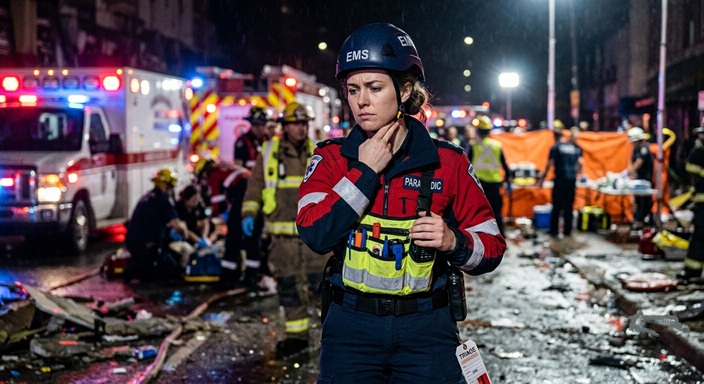
Your Body is Talking to You
Now it’s my turn to teach. I’ve been doing search and rescue long enough that I get to teach the next generation of rescuers. The number one thing I always want my students to remember is how to handle their own adrenaline. The lesson I want every new rescuer to remember isn’t about knots, ropes or medical skills. It’s about adrenaline.
Picture yourself getting ready to rappel to a patient trapped below a cliffside.
You’ve checked your harness three times.
Your teammates are waiting.
Someone is in peril.
Your heart is pounding.
Your breathing is faster than normal.
That spike in your chest isn’t just excitement. It’s nature’s way of telling you to slow down. Your heart is pounding because your brain is processing risk faster than usual. You’re standing in a hazardous, chaotic environment where even a small mistake can have serious consequences.
That’s adrenaline.
Adrenaline and norepinephrine are your body’s fight-or-flight chemicals, hormones that trigger a cascade of physical changes:
- Increased Heart Rate: Pumping blood rapidly to your vital organs.
- Respiratory Changes: Rapid breathing to maximize oxygen intake.
- Vascular Shifts: While they cause vasoconstriction in non-essential areas (like your skin, making you look pale), they dilate blood vessels (vasodilation) in your major muscles to prime you for explosive action.
It’s an incredible survival system created by tens of thousands of years of evolution.
But here’s the mistake people often make. They think adrenaline means they need to move faster. Usually, it means the exact opposite.
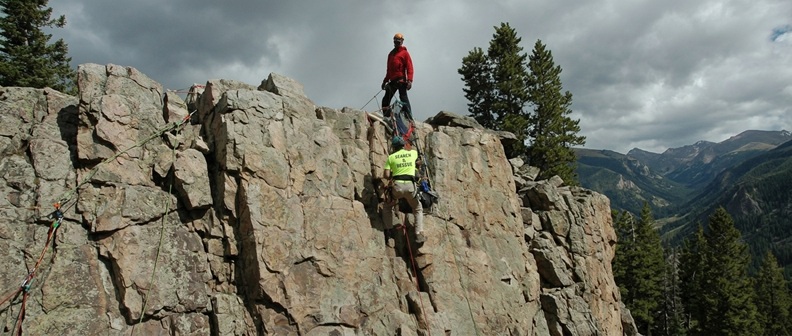
Slow Is Safe
A careless rush never helped anyone. If you are feeling a massive adrenaline surge right before you initiate a risky technical task, it means your mind is hyper focused on the immediate stress, not on the nuances of the mission.
It doesn’t necessarily mean something is wrong. It means your brain recognizes that the consequences are high. Treat that surge as a reminder to slow down, verify your equipment and make deliberate decisions before committing to the task.
When your heart starts racing, your brain is processing a tremendous amount of information.
The terrain.
The hazards.
Your equipment.
Your teammates.
The patient.
The consequences if something goes wrong.
That surge isn’t your body telling you to hurry. It’s your body reminding you that the stakes are high.
Slow down.
Check your equipment one more time.
Take another look at your anchor.
Verify your partner’s harness.
Confirm your plan.
A rushed rescuer doesn’t help anyone. One mistake can turn a rescue into two emergencies.
Taking that extra minute to plant your feet, check your pulse and breathe is no different from the old advice I received to clear my own ABCs. It resets your brain, breaks the cycle of tunnel vision and ensures you don’t overlook a loose knot, an unlocked carabiner or a hazard in the environment.
Confidence Looks Different
Here’s something else I’ve noticed after years of training: the rescuers who practice relentlessly often appear remarkably calm. That’s not because they don’t respect the danger. It’s because they’ve rehearsed the fundamentals so many times that they don’t have to think about them.
The equipment feels familiar.
The procedures are automatic.
Their minds are free to focus on the mission instead of worrying about themselves.
That’s confidence, not overconfidence. Confidence built through repetition and muscle memory.
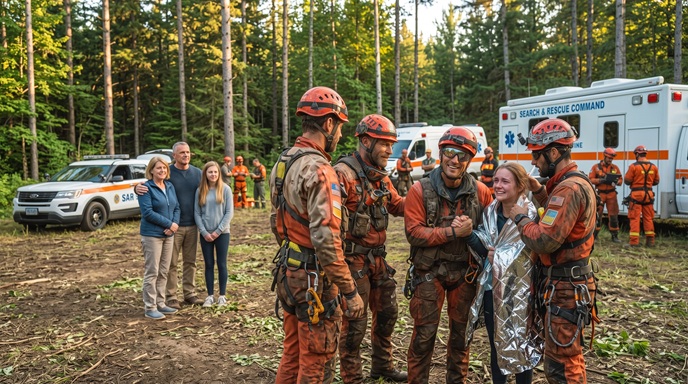
When I teach, my goal isn’t simply to create students who can perform a rescue. I want them to become rescuers who could save me if I were the one in trouble. I want to be comfortable that they have the skills to get me out of a tough spot.
That takes practice.
It takes discipline.
And it takes knowing the difference between confidence and haste.
When you train that hard and finally step onto the edge of a hot zone, a strange thing happens: the overwhelming adrenaline rush begins to fade. You learn to recognize the adrenaline without letting it control your decisions.
Not feeling that panicked spike doesn’t mean you don’t care. It means you are confident. It means you’ve been to this rodeo before, you trust your training and you know exactly what to do.
Until you reach that point, listen to your heart rate. When it tells you to slow down, do it. Taking two seconds to check your own pulse might just be the thing that saves someone else’s life.
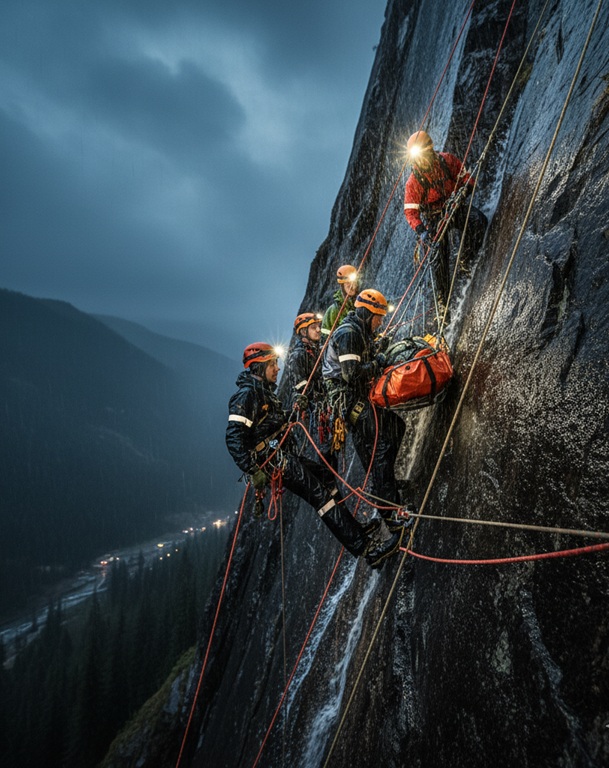
Whether you’re responding to a rescue, climbing into a tree stand, starting a technical climb or stepping into a hazardous environment, #TakeTheExtraMinute.
Plant your feet.
Take a breath.
Listen to what your body is telling you.
If your heart is racing, don’t ignore it. Acknowledge it. Let it remind you to slow down, verify your equipment and commit only when you’re confident everything is right.
Listen to the message.
Slow down.
Check your gear.
Confirm your plan.
Then go to work.
Every instructor eventually reaches the point where they stop asking, “Can this student pass the course?” They start asking, “Would I trust this person to rescue me?” That’s a much higher standard.
Sometimes the most important safety check you’ll perform all day is the one you do on yourself, before you ever help someone else.
Discover more from Tales of Many Things
Subscribe to get the latest posts sent to your email.